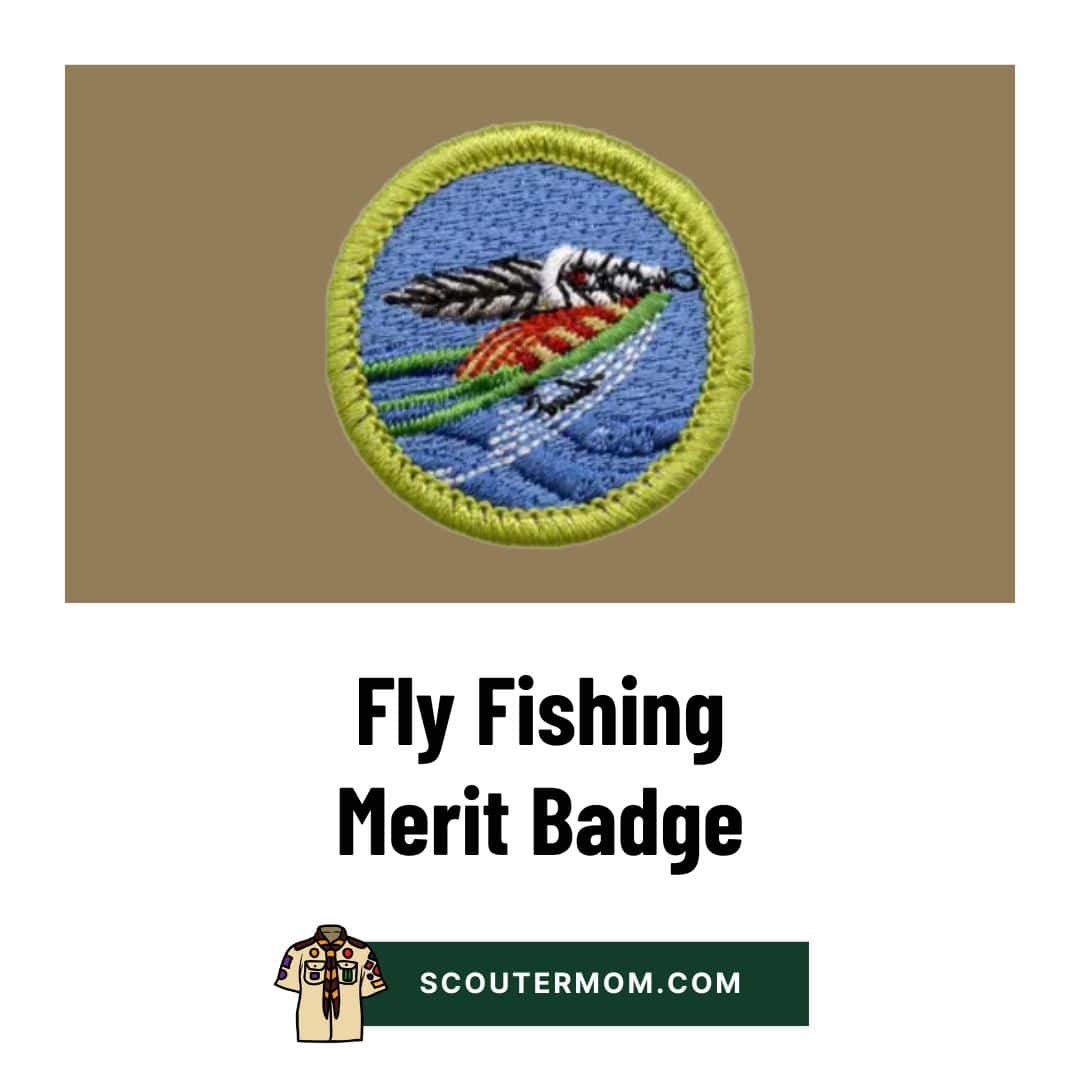
Fly Fishing Merit Badge for 2026: Free Resources and Answers

20/05/2026
Kategori:
Waktu baca : 18 menit

Free Resources and Answers

Time: 2–4 weeks
Difficulty: Moderate
Setting: Streams, rivers, outdoor
Best For: Scouts interested in fishing, nature, patience
Hands-On Level: High
Eagle Required: No

Download a handout about the badge

The Fly Fishing merit badge teaches you how to fish using a fly rod, special line, and hand-tied flies. You learn how to cast, choose the right flies, and understand what fish are eating in the water. Along the way, you also learn how to stay safe near rivers and streams and how to care for your equipment.

As you work on this badge, you spend time outdoors observing nature. You practice matching the hatch by watching insects and fish activity. You also learn about fishing regulations, catch and release, and Leave No Trace principles. These skills help you become a responsible angler who respects wildlife and the environment.

This merit badge takes patience and practice. Some skills, like casting and knot tying, may feel awkward at first. Keep working at them and you will improve over time. If you enjoy being outside and like learning hands-on skills, the Fly Fishing merit badge can be a rewarding experience.

The requirements for the Fly Fishing merit badge were updated on January 1, 2026.

Fly Fishing Merit Badge Requirements and Workbook

Fly Fishing Merit Badge Answers and Resources

Help with Answers for Fly Fishing Merit Badge Requirements

Find specific helps for some of the Fly Fishing merit badge requirements listed below. Some of these resources will just give the answers. Others will provide engaging ways for older Scouts to introduce these concepts to new Scouts.

Requirement 1: Safety

Do the following:

  1. Explain to your counselor the most likely hazards you may encounter while participating in fly-fishing activities and what you should do to anticipate, help prevent, mitigate, and respond to these hazards. Name and explain five safety practices you should always follow while fly-fishing.
  2. Discuss the prevention of and treatment for health concerns that could occur while fly-fishing, including cuts and scratches, puncture wounds, insect bites, hypothermia, dehydration, heat exhaustion, heatstroke, and sunburn.
  3. Explain how to remove a hook that has lodged in your arm.

Fly Fishing Merit Badge Requirement 1 Helps and Answers

Requirement 1a: Fly Fishing Safety

What You Need To Do

Learn about the common hazards you might face while fly fishing. Be ready to talk about safe habits and ways to prevent accidents while fishing near water.

Helpful Tips

  • Wear polarized sunglasses to protect your eyes from hooks and glare.
  • Use sturdy shoes or wading boots with good grip.
  • Check the weather before you leave home.
  • Stay away from deep or fast-moving water unless you have proper gear.
  • Keep plenty of space between yourself and other anglers when casting.
  • Carry drinking water and take breaks on hot days.
  • Wear sunscreen, a hat, and lightweight long sleeves.
  • Tell someone where you are fishing and when you plan to return.

Resources

Leader Tips

  • Review water safety before the outing starts.
  • Watch Scouts closely when they are near slippery rocks or currents.
  • Demonstrate safe casting distances before practice begins.
  • Encourage Scouts to speak up if they feel unsafe or unsure.

Requirement 1b: Health Concerns

What You Need To Do

Learn how to prevent and treat common outdoor health problems related to fly fishing. Be prepared to handle injuries, weather problems, and insect bites safely.

Helpful Tips

  • Bring a small first aid kit on every trip.
  • Clean cuts and scratches right away with clean water.
  • Use insect repellent near streams and wooded areas.
  • Drink water often, even if you do not feel thirsty.
  • Wear layers when fishing in cold weather.
  • Take shade breaks during hot afternoons.
  • Use sunscreen with SPF 30 or higher.
  • Watch for dizziness, heavy sweating, confusion, or shivering.
  • Check your body for ticks after fishing trips.

Resources

Leader Tips

  • Keep a first aid kit nearby during activities.
  • Review signs of heat exhaustion and hypothermia before outdoor trips.
  • Remind Scouts to drink water regularly during warm weather.
  • Encourage Scouts to report cuts, bites, or injuries quickly.

Requirement 1c: Removing a Hook

What You Need To Do

Learn how to safely remove a fishhook from an arm. Practice the steps and learn when medical help is the safer choice.

Helpful Tips

  • Stay calm if a hook gets stuck in your skin.
  • Wash the area with clean water before removing the hook.
  • Check how deep the hook is before doing anything else.
  • Use the string-yank method for shallow hooks when trained to do so.
  • Pull the hook out quickly in the opposite direction from where it entered.
  • Clean the wound with soap and water after removal.
  • Apply antiseptic and cover the wound with a bandage.
  • Get medical help for deep hooks or hooks near the face or eyes.

Resources

Leader Tips

  • Use a demonstration hook or diagram during instruction.
  • Review hook safety before Scouts start casting or tying flies.
  • Keep first aid supplies easy to reach during fishing activities.
  • Step in quickly if a Scout gets injured or feels nervous.

Requirement 2: System

Demonstrate how to match a fly rod, line, and leader to achieve a balanced system. Discuss several types of fly lines, and explain how and when each would be used. Review with your counselor how to care for this equipment.

Fly Fishing Merit Badge Requirement 2 Helps and Answers

Requirement 2: Balanced Fly Fishing System

What You Need To Do

Learn how to match a fly rod, fly line, and leader so they work well together. Learn about different types of fly lines and how to care for your fishing equipment.

Helpful Tips

  • Match the rod weight and fly line weight so casting feels smooth.
  • Use a floating line for most beginner fly fishing situations.
  • Try a sinking line when fish are deeper underwater.
  • Use a sink-tip line in moving water or near underwater structures.
  • Check your leader for knots, weak spots, or damage before fishing.
  • Rinse your rod, reel, and line with fresh water after each trip.
  • Dry all equipment before putting it away.
  • Store rods in a case or safe place to prevent damage.
  • Practice casting with your matched setup before going fishing.

Resources

Leader Tips

  • Bring several rod and line setups so Scouts can compare them.
  • Let Scouts handle floating, sinking, and sink-tip lines during instruction.
  • Show how different leaders affect casting and fly presentation.
  • Encourage Scouts to clean and store gear properly after activities.

Requirement 3: Knots

Demonstrate how to tie proper knots to prepare a fly rod for fishing:

  1. Tie backing to the arbor of a fly reel spool using an arbor knot.
  2. Tie backing to the fly line using a nail (tube) knot.
  3. Attach a leader to the fly line using a nail (tube) knot or a loop-to-loop connection.
  4. Add a tippet to a leader using a surgeon’s knot or a loop-to-loop connection.
  5. Tie a fly onto the terminal end of the leader using an improved clinch knot.

Fly Fishing Merit Badge Requirement 3 Helps and Answers

Requirement 3a: Arbor Knot

What You Need To Do

Learn how to attach backing to the reel spool using an arbor knot. This knot keeps the backing secured to the reel.

Helpful Tips

  • Wrap the backing around the reel arbor first.
  • Tie the first overhand knot around the standing line.
  • Tie a second overhand knot at the end of the tag end.
  • Pull the standing line slowly to tighten the knot.
  • Trim extra line after the knot is secure.
  • Practice the knot several times before using it on the water.
  • Keep the wraps neat and untangled.
  • Check the knot before adding more line to the reel.

Resources

Leader Tips

  • Demonstrate the knot slowly one step at a time.
  • Use thicker practice rope before switching to fishing line.
  • Watch Scouts closely during the tightening step.
  • Encourage Scouts to practice until they can tie it without help.

Requirement 3b: Nail Knot for Backing and Fly Line

What You Need To Do

Learn how to connect backing to the fly line using a nail knot or tube knot. This knot creates a smooth connection between the two lines.

Helpful Tips

  • Use a small tube or straw to help hold the wraps.
  • Keep the backing and fly line lined up evenly.
  • Wrap the backing neatly around the fly line five to seven times.
  • Hold the wraps tightly before removing the tube.
  • Pull the knot slowly so the wraps stay even.
  • Trim extra line after tightening the knot.
  • Practice with larger cord before trying thin fishing line.
  • Test the knot with a gentle pull before fishing.

Resources

Leader Tips

  • Show Scouts how to keep the wraps neat and close together.
  • Provide tubes or knot tools for practice.
  • Give Scouts time to repeat the knot several times.
  • Check finished knots before moving to the next skill.

Requirement 3c: Connecting the Leader

What You Need To Do

Learn how to attach a leader to the fly line using a nail knot or a loop-to-loop connection. This connection helps the fly move naturally in the water.

Helpful Tips

  • Use a loop-to-loop connection for quick leader changes.
  • Check for loops on both the leader and fly line before starting.
  • Pull the loops snug so they lock together tightly.
  • Keep the connection straight and smooth.
  • Use a nail knot when you want a slim connection.
  • Inspect the leader for damage before attaching it.
  • Practice both connection methods.
  • Replace worn leaders before fishing trips.

Resources

Leader Tips

  • Let Scouts try both methods during practice.
  • Show examples of pre-looped leaders and fly lines.
  • Demonstrate how the connection moves through rod guides.
  • Encourage Scouts to test each connection with a firm pull.

Requirement 3d: Adding a Tippet

What You Need To Do

Learn how to connect a tippet to a leader using a surgeon’s knot or loop-to-loop connection. The tippet gives you a lighter section of line for attaching the fly.

Helpful Tips

  • Overlap the leader and tippet before tying a surgeon’s knot.
  • Pass both lines through the loop twice for extra strength.
  • Moisten the knot before tightening it.
  • Trim the tag ends close to the knot.
  • Use loop-to-loop connections for quick tippet changes.
  • Match the tippet size to the fly you plan to use.
  • Carry extra tippet material in your fishing pack.
  • Check knots often while fishing.

Resources

Leader Tips

  • Use different colored practice lines so Scouts can follow the steps.
  • Show how a tippet extends the life of the leader.
  • Check each Scout’s knot for tight wraps and clean trimming.
  • Encourage repeated practice to build confidence.

Requirement 3e: Improved Clinch Knot

What You Need To Do

Learn how to tie a fly onto the tippet using an improved clinch knot. This knot keeps the fly attached securely while casting and fishing.

Helpful Tips

  • Thread the line through the hook eye carefully.
  • Leave enough tag end to work with easily.
  • Wrap the tag end around the standing line five to seven times.
  • Pass the tag end through the small loop near the hook eye.
  • Push the tag end through the larger loop before tightening.
  • Moisten the knot before pulling it tight.
  • Trim extra line after the knot is secure.
  • Test the knot gently before casting.

More Resources

Leader Tips

  • Use larger hooks and rope for early practice.
  • Demonstrate each wrap slowly and clearly.
  • Watch for crossed wraps that weaken the knot.
  • Give Scouts time to repeat the knot several times before testing it outdoors.

Requirement 4: Flies

Explain how and when each of the following types of flies is used: dry flies, wet flies, nymphs, streamers, bass bugs, poppers, and salt water flies. Tell what each one imitates. Tie at least two types of the flies mentioned in this requirement.

Fly Fishing Merit Badge Requirement 4 Helps and Answers

Requirement 4: Types of Flies

What You Need To Do

Learn how different flies imitate insects, fish, or other prey. Learn when to use each type of fly and tie at least two different flies.

Helpful Tips

  • Use dry flies when fish are feeding on the water surface.
  • Try wet flies just below the surface in moving water.
  • Fish with nymphs when insects are underwater.
  • Use streamers to imitate baitfish or leeches.
  • Cast bass bugs near weeds, logs, or lily pads.
  • Use poppers to make noise and attract fish at the surface.
  • Try saltwater flies when fishing near the ocean or saltwater flats.
  • Watch insects and fish activity before choosing a fly.
  • Start fly tying with simple patterns before trying harder ones.
  • Keep your fly tying materials organized and dry.

Resources

Leader Tips

  • Show real examples of different fly types during instruction.
  • Let Scouts compare flies and discuss what each imitates.
  • Provide simple fly tying materials for beginners.
  • Encourage Scouts to practice tying flies more than once.

Requirement 5: Casting

Demonstrate the ability to cast a fly 30 feet consistently and accurately using both overhead and roll cast techniques.

Fly Fishing Merit Badge Requirement 5 Helps and Answers

Requirement 5: Fly Casting

What You Need To Do

Practice casting a fly 30 feet with accuracy using both the overhead cast and the roll cast. Show control and consistency with each casting method.

Helpful Tips

  • Practice in an open area before fishing on the water.
  • Keep a relaxed grip on the rod handle.
  • Use smooth motions instead of fast, jerky movements.
  • Pause briefly during the overhead cast so the line straightens behind you.
  • Aim for accuracy, not just distance.
  • Practice the roll cast in places with little space behind you.
  • Watch where the line lands after each cast.
  • Use targets like buckets or hoops during practice.
  • Practice often to build muscle memory and control.
  • Keep the rod tip moving in a smooth path during each cast.

Resources

Leader Tips

  • Give Scouts plenty of open space for practice.
  • Demonstrate both casts slowly before practice begins.
  • Use simple targets to help Scouts improve accuracy.
  • Encourage repeated practice instead of focusing only on distance.

Requirement 6: Location

Go to a suitable fishing location and observe what fish may be eating both above and beneath the water’s surface. Explain the importance of matching the hatch.

Fly Fishing Merit Badge Requirement 6 Helps and Answers

Requirement 6: Matching the Hatch

What You Need To Do

Visit a fishing location and look for what fish are eating above and below the water surface. Learn how matching your fly to natural food helps you catch fish.

Helpful Tips

  • Spend a few minutes watching the water before you start fishing.
  • Look for insects floating on the surface.
  • Watch for fish rising or splashing near the top of the water.
  • Check under rocks or near plants for underwater insects.
  • Use flies that look similar in size and color to local insects.
  • Try dry flies when fish are feeding at the surface.
  • Use nymphs when fish are feeding underwater.
  • Pay attention to birds or other wildlife feeding near the water.
  • Carry several types of flies so you can change patterns if needed.
  • Keep notes about what flies worked during each trip.

Resources

Leader Tips

  • Encourage Scouts to spend time observing before casting.
  • Bring insect guides or sample flies for comparison.
  • Ask Scouts what they notice about fish activity and insects.
  • Help Scouts connect fish behavior with fly choices.

Requirement 7: Leave No Trace

Do the following:

  1. Explain the importance of practicing Leave No Trace techniques. Discuss the positive effects of Leave No Trace on fly-fishing resources.
  2. Discuss the meaning and importance of catch and release. Describe how to properly release a fish safely to the water.

Fly Fishing Merit Badge Requirement 7 Helps and Answers

Requirement 7a: Leave No Trace

What You Need To Do

Learn how Leave No Trace principles help protect fishing areas and wildlife. Practice good outdoor habits while fly fishing.

Helpful Tips

  • Pack out all trash, fishing line, and food wrappers.
  • Stay on trails near streams and lakes when possible.
  • Avoid stepping on plants along the shoreline.
  • Keep noise levels low near the water.
  • Leave rocks, logs, and natural areas as you found them.
  • Use established fishing spots instead of making new paths.
  • Be careful not to damage stream banks while wading.
  • Respect wildlife and give animals plenty of space.
  • Pick up litter even if you did not leave it.
  • Clean your gear before moving to another waterway.

Resources

Leader Tips

  • Review Leave No Trace principles before fishing trips.
  • Encourage Scouts to set a good example outdoors.
  • Point out ways human activity can damage fishing areas.
  • Include cleanup time at the end of activities.

Requirement 7b: Catch and Release

What You Need To Do

Learn why catch and release helps protect fish populations. Practice safe fish handling so released fish can survive.

Helpful Tips

  • Wet your hands before touching a fish.
  • Handle fish gently and keep them in the water when possible.
  • Remove hooks carefully and quickly.
  • Use pliers or forceps to help with hook removal.
  • Avoid squeezing the fish tightly.
  • Support the fish with both hands if you lift it briefly.
  • Return the fish to the water as soon as possible.
  • Hold the fish facing into the current until it swims away.
  • Use barbless hooks when allowed to make release easier.
  • Follow local fishing regulations for catch and release.

Resources

Leader Tips

  • Demonstrate safe fish handling techniques before fishing starts.
  • Remind Scouts to work calmly and quickly with fish.
  • Carry proper hook removal tools during outings.
  • Encourage respect for fish and wildlife throughout the activity.

Requirement 8: Regulations

Obtain and review a copy of the regulations affecting game fishing where you live or where you plan to fish. Explain why they were adopted and what is accomplished by following them.

Fly Fishing Merit Badge Requirement 8 Helps and Answers

Requirement 8: Fishing Regulations

What You Need To Do

Find and review the fishing regulations for your area or the place where you plan to fish. Learn how these rules protect fish, wildlife, and fishing habitats.

Helpful Tips

  • Check state fishing websites or printed regulation booklets.
  • Look for rules about seasons, size limits, and bag limits.
  • Read rules for the specific lake, river, or stream you will visit.
  • Learn which fish species have special protections.
  • Check if a fishing license is required.
  • Look for rules about bait, hooks, and fishing methods.
  • Follow catch and release rules carefully.
  • Pay attention to closed areas or restricted waters.
  • Carry a copy of the regulations during fishing trips.
  • Ask experienced anglers or park staff if you have questions.

Resources

Leader Tips

  • Help Scouts find current local fishing regulations.
  • Discuss how regulations protect fish populations over time.
  • Review common terms like bag limit and size limit.
  • Encourage Scouts to follow regulations on every outing.

Requirement 9: Outdoor Code

Explain what good outdoor sportsmanlike behavior is and how it relates to anglers. Tell how the Leave No Trace Seven Principles and the Outdoor Code relate to a fishing sports enthusiast, including the aspects of littering, trespassing, courteous behavior, and obeying fishing regulations.

Fly Fishing Merit Badge Requirement 9 Helps and Answers

Requirement 9: Outdoor Sportsmanship

What You Need To Do

Learn how good sportsmanship helps protect fishing areas and creates a better experience for everyone. Connect the Outdoor Code and Leave No Trace principles to fishing behavior.

Helpful Tips

  • Give other anglers plenty of space while fishing.
  • Pack out all trash, fishing line, and food wrappers.
  • Stay off private property unless you have permission.
  • Follow all fishing laws and local regulations.
  • Handle fish carefully during catch and release.
  • Keep noise low near the water.
  • Be polite when talking with other anglers.
  • Wait your turn at crowded fishing spots.
  • Leave plants, rocks, and natural areas undisturbed.
  • Help keep streams, lakes, and rivers clean for future anglers.

Resources

Leader Tips

  • Discuss real outdoor situations Scouts may face while fishing.
  • Review the Outdoor Code and Leave No Trace principles together.
  • Model respectful behavior during fishing trips.
  • Encourage Scouts to think about how their actions affect others and the environment.

Requirement 10: Catch a Fish

Catch one fish on a fly and identify it.

Fly Fishing Merit Badge Requirement 10 Helps and Answers

Requirement 10: Catch and Identify a Fish

What You Need To Do

Catch a fish using a fly rod and fly tackle. Identify the fish species using its size, shape, markings, and fins.

Helpful Tips

  • Fish during early morning or evening when fish are active.
  • Watch the water for rises, splashes, or movement.
  • Choose a fly that matches local insects or baitfish.
  • Cast gently to avoid scaring fish.
  • Try different flies if fish are not biting.
  • Move to a new spot if the area seems quiet.
  • Bring a fish guide or identification app with you.
  • Look at the fish’s color patterns and fin shapes for identification.
  • Handle the fish carefully if you plan to release it.
  • Follow local regulations for keeping or releasing fish.

Resources

Leader Tips

  • Help Scouts identify local fish species before the outing.
  • Encourage patience and quiet behavior near the water.
  • Review safe fish handling during catch and release.
  • Celebrate effort and learning, even if catching a fish takes time.

Requirement 11: Cook a Fish

If regulations and health concerns permit, clean and cook a fish you have caught. If you are unable to catch a fish for eating, acquire a fish, clean the fish you acquired, and cook the fish you acquired.
Note: It is not required that you eat the fish.

Fly Fishing Merit Badge Requirement 11 Helps and Answers

Requirement 11: Clean and Cook a Fish

What You Need To Do

Clean and cook a fish you caught, if local rules and health conditions allow it. If you cannot catch a fish for cooking, use a fish from a store or another legal source.

Helpful Tips

  • Use a sharp knife and a clean work area.
  • Remove scales by scraping from the tail toward the head.
  • Cut carefully along the belly to remove the internal organs.
  • Rinse the fish well with clean water after cleaning it.
  • Wash your hands and tools before and after handling raw fish.
  • Check carefully for bones before cooking or serving.
  • Try simple cooking methods like grilling, baking, or pan-frying.
  • Season the fish lightly with salt, pepper, lemon, or herbs.
  • Cook the fish until the meat flakes easily with a fork.
  • Follow all local fishing and food safety regulations.

Resources

Leader Tips

  • Review knife safety before cleaning fish.
  • Demonstrate fish cleaning slowly and clearly.
  • Provide simple cooking methods that Scouts can help with safely.
  • Encourage respect for food, wildlife, and outdoor resources.

Resources

Fishing Troop Program Feature

The Fishing troop program feature gives Scouts BSA youth leaders the tools to plan meetings and a weekend outing focused on fishing. This program includes hands-on activities where Scouts learn fishing skills, knot tying, and basic fish identification. Leaders can use it to help Scouts work toward the Fly Fishing merit badge, practicing casting techniques and learning about conservation.

The program encourages Scouts to apply Leave No Trace principles, respecting the environment while they fish. This feature offers a fun way to build outdoor skills and teamwork, creating a memorable experience and helping Scouts develop a lifelong interest in fishing.

Wildlife Management Troop Program Feature

The Wildlife Management troop program feature helps Scouts understand how to keep nature’s balance so wildlife can thrive. This connects well with the conservation goals of the Fly Fishing merit badge, where Scouts learn about protecting fish habitats and using catch-and-release practices.

Through this program, Scouts study how ecosystems work and why it’s important to care for land and water resources. Scouts can participate in projects like habitat cleanups, building animal shelters, or planting native plants. By learning these conservation skills, Scouts gain respect for the natural world and become more responsible stewards of the environment.

Nature and Environment Troop Program Feature

The Nature and Environment program feature is a great way for Scouts to explore the natural world and learn about protecting it. This program focuses on understanding ecosystems, identifying local plants and animals, and practicing conservation. It connects well with the Fly Fishing merit badge, which teaches Scouts about preserving fish habitats and following ethical fishing practices.

By combining these activities, Scouts gain skills in environmental stewardship and a deeper respect for nature. Scouts might take part in projects like stream cleanups, nature hikes, and observing wildlife. This feature helps Scouts develop a lifelong commitment to caring for the outdoors.

National Outdoor Awards – Aquatics

The National Outdoor Award for Aquatics recognizes Scouts BSA, Sea Scouts, and Venturers who excel in water activities. Earning this award involves becoming a strong swimmer, learning lifesaving skills, completing the Mile Swim, and spending at least 75 hours on the water. Activities include swimming, fishing, scuba diving, and paddling.

Scouts can also complete water-based merit badges, like the Fly Fishing merit badge, as part of their requirements. The award includes a center emblem and segments for each outdoor area completed. Additional devices can be earned for even more aquatics time, encouraging Scouts to deepen their skills and enjoy the outdoors.
Fishing Merit Badge

Scouts who enjoy the Fly Fishing merit badge might also like to try the Fishing merit badge. While both badges teach fishing skills, each focuses on different techniques. The Fly Fishing merit badge teaches the unique art of casting with a fly rod, using artificial flies, and learning specific fly fishing knots. The Fishing merit badge, on the other hand, covers a broader range of fishing skills, like bait selection, using traditional rods and reels, and learning to identify various fish species.

Both badges encourage conservation and responsible fishing, giving Scouts a well-rounded knowledge of fishing practices and outdoor skills.

More Merit Badge Resources

The Fly Fishing merit badge gives Scouts a hands-on way to learn a classic outdoor skill. It fits well within the full merit badge program because it adds a calm, skill-based activity to a list that includes science, trades, crafts, and adventure. Scouts learn casting, knots, and how fish behave. This brings balance to the wide set of choices and offers a simple way to enjoy nature.

It also connects to badges like Fishing, Fish and Wildlife Management, and Insect Study. Scouts who enjoy being outdoors often find this badge a natural next step. It supports the program’s goal of helping Scouts explore many interests.

Learn More about Scouts BSA

The Fly Fishing merit badge supports the larger goals of Scouts BSA by teaching patience, awareness, and steady practice. These habits help Scouts grow as thoughtful and calm leaders.

It also ties into fitness, citizenship, and personal development. Time outdoors encourages healthy movement. Learning how fishing affects local waterways builds respect for natural resources. These lessons strengthen responsibility and confidence.

Frequently Asked Questions

What is the Fly Fishing merit badge?

The Fly Fishing merit badge teaches Scouts the basics of fly fishing, including casting techniques, knot tying, and fly selection. Scouts also learn about fish species, fishing safety, conservation practices, and responsible outdoor behavior.

Do I need to catch a fish to earn the Fly Fishing merit badge?

Yes, catching a fish is part of the Fly Fishing merit badge requirements. Scouts must catch a fish using a fly and correctly identify it. If fishing conditions are difficult, work closely with your counselor to discuss options.

Do I have to eat the fish I catch?

No, eating the fish is not required. The Fly Fishing merit badge requires you to clean and cook a fish, but you do not have to eat it. This requirement teaches respect for nature and basic cooking skills.

What equipment do I need for the Fly Fishing merit badge?

To complete the Fly Fishing merit badge, you’ll need a fly rod, fly reel, fly line, and leader. You’ll also need different flies and basic fishing gear like pliers and scissors. Some Scouts may need waders, depending on where they fish. Check with your counselor for guidance.

What are the different types of flies, and why do they matter?

There are several types of flies: dry flies, wet flies, nymphs, streamers, bass bugs, poppers, and saltwater flies. Each fly type imitates specific food sources that fish eat. Knowing when to use each fly helps attract the fish you’re targeting, which is an important part of the Fly Fishing merit badge.

What does “matching the hatch” mean?

“Matching the hatch” means choosing a fly that looks like the insects or food the fish are currently feeding on. Observing what’s flying around or in the water helps you pick the right fly. This is a useful skill for the Fly Fishing merit badge.

What is catch and release, and why is it important?

Catch and release means catching a fish and then releasing it back into the water unharmed. This practice helps protect fish populations. For the Fly Fishing merit badge, Scouts learn proper catch and release techniques to ensure fish survival.

Why are Leave No Trace principles important in fly fishing?

Leave No Trace (LNT) principles help Scouts respect and protect fishing areas. For the Fly Fishing merit badge, Scouts learn to keep areas clean, avoid disturbing wildlife, and follow fishing rules. This helps maintain healthy fish habitats for future anglers.

What are some basic knots I need to know?

For the Fly Fishing merit badge, you need to know several knots, including the arbor knot, nail knot, surgeon’s knot, and improved clinch knot. Each knot has a specific purpose, like connecting lines, tying on a fly, or attaching the leader.

What is a balanced system in fly fishing?

A balanced system in fly fishing means matching the rod, line, and leader to work well together. For the Fly Fishing merit badge, Scouts learn how to choose the right weight for each piece to improve casting and control. A balanced setup makes fishing easier and more effective.

Do I need to learn both the overhead and roll casts?

Yes, both the overhead and roll casts are required for the Fly Fishing merit badge. The overhead cast is useful for distance, while the roll cast is helpful in tight spaces or near obstacles. Learning both gives you flexibility in different fishing situations.

How can I practice the skills needed for the Fly Fishing merit badge?

Practice casting in an open area like a field or backyard to get comfortable with the fly rod. Try different knots until they become easy to tie. Observing insects and practicing catch and release techniques in the water will help you prepare for the Fly Fishing merit badge requirements.

Hooked on Learning

The Fly Fishing merit badge teaches Scouts the art and skill of fly fishing, a unique way to fish using artificial flies and special casting techniques. Scouts learn how to set up their own balanced fly fishing system by choosing the right rod, reel, line, and leader. They practice essential casting methods, such as the overhead and roll casts, to achieve accurate and effective casting. Scouts will also learn how to select different types of flies, understanding when to use each based on what the fish are eating, known as “matching the hatch.”

Through the Fly Fishing merit badge, Scouts gain practical experience, including catching, identifying, and releasing fish. This badge emphasizes responsible fishing practices, including safe handling techniques and proper catch and release methods to protect fish populations. Scouts also learn about conservation and the importance of Leave No Trace, helping them become respectful stewards of natural fishing areas.

This merit badge isn’t just about catching fish; it’s about understanding and appreciating the entire ecosystem. By learning about fish species, water conditions, and ethical fishing practices, Scouts develop a deeper respect for nature. Earning the Fly Fishing merit badge requires patience, focus, and practice but rewards Scouts with new outdoor skills and a hobby they can enjoy for life.

Leave a Reply

Your email address will not be published. Required fields are marked *

Hak Cipta © 1995 – 2026 oleh Arvegatu.com
magnifiercrosschevron-leftchevron-rightchevron-up-circle linkedin facebook pinterest youtube rss twitter instagram facebook-blank rss-blank linkedin-blank pinterest youtube twitter instagram