
Time: 1–3 months
Difficulty: Challenging
Setting: Outdoor roads, trails
Best For: Scouts who enjoy biking, fitness, outdoor activity
Hands-On Level: High
Requires Camping/Travel: Yes
Eagle Required: Yes*
*Either the Cycling merit badge OR the Hiking merit badge OR the Swimming merit badge is required for the rank of Eagle Scout. Scouts who earn more than one of these badges may count the additional badges as electives.
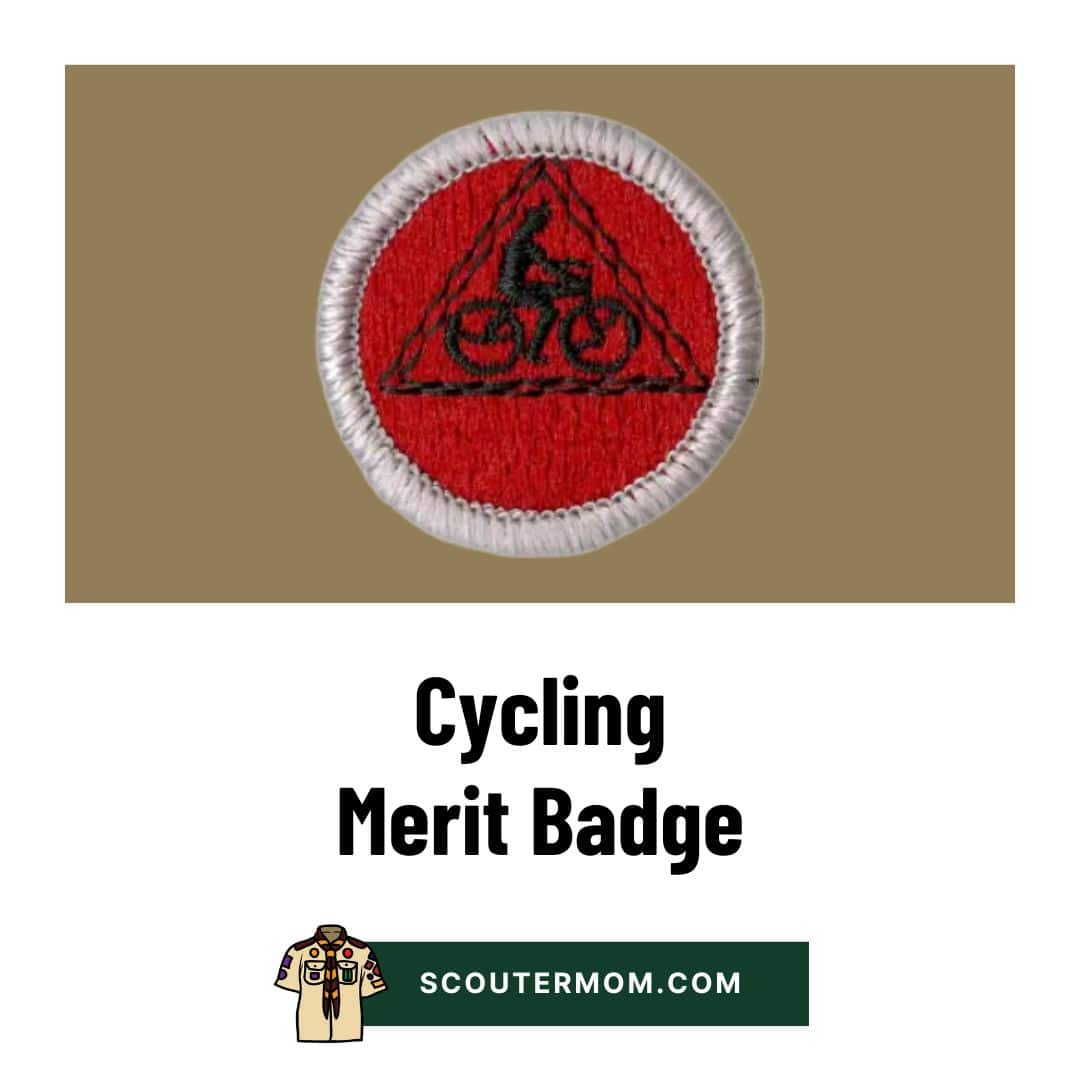
The Cycling merit badge is a great way for Scouts to explore the world of biking. It helps you learn important skills that go beyond just riding a bike. You will discover how to take care of your bike, stay safe on the road, and plan rides that challenge and excite you. The Cycling merit badge is a fun way to build confidence while improving your biking abilities.
This merit badge helps Scouts learn about bike safety. You will understand how to stay safe while riding on roads or trails. You’ll also learn how to deal with problems like flat tires and other repairs. These are skills that can help you enjoy biking for years to come.
Scouts who work on the Cycling merit badge build strength and endurance. Riding a bike is great exercise, and it helps you stay healthy. You will challenge yourself by completing long rides. These rides teach you to set goals and push yourself to reach them.
Earning the Cycling merit badge helps you gain independence. It shows you how to plan and prepare for adventures. You will also learn responsibility by keeping your bike in good condition and following safety rules. This badge is a chance to grow as a Scout and as a person.
The requirements for the Traffic Safety merit badge were updated on January 1, 2026.
Find specific helps for some of the Cycling merit badge requirements listed below. Some of these resources will just give the answers. Others will provide engaging ways for older Scouts to introduce these concepts to new Scouts.
Do the following:
For the Cycling merit badge, it’s important to understand the hazards you might face while biking and how to handle them. Hazards are dangers that could cause an accident or injury.
Common hazards while cycling include traffic, rough or uneven surfaces, bad weather, and obstacles like rocks or potholes. You can stay safer by learning how to avoid these problems and knowing what to do if they happen.
How to Stay Safe:
Ride Predictably: This means acting in a way that other riders, pedestrians, and drivers can expect. Use hand signals to show when you’re turning or stopping. Stay in a straight line and avoid sudden moves.
Be Conspicuous: This means making yourself easy to see. Wear bright colors during the day and reflective gear at night. Use lights on your bike when it’s dark or hard to see.
Think Ahead: Always watch for what’s coming up next. Pay attention to traffic, weather, and your surroundings. Plan your route to avoid busy roads when possible.
Ride Ready: Before you go, check your bike. Make sure the tires are full of air, the brakes work, and the chain is in good shape. Bring water, a repair kit, and anything else you might need.
By learning these safety tips, you’ll be prepared to handle hazards and enjoy your rides. These skills will help you succeed in earning the Cycling merit badge and make biking safer and more fun.
Resource: Avoiding Road Hazards (video)
When working on the Cycling merit badge, you’ll need to know how to handle injuries or illnesses that might happen while biking. Being prepared with basic first aid knowledge can help you or someone else if an accident happens. Here’s an overview of common cycling-related issues and how to treat them.
It’s important to identify poisonous plants like poison ivy and animals like venomous snakes in your area. Knowing what they look like helps you avoid them. Poisonous plants can cause skin rashes, and bites from venomous animals can be life-threatening. Staying alert to your surroundings helps keep you safe on the trail.
These first aid skills are an important part of the Cycling merit badge. They will help you handle common problems and stay safe on your rides.
Resource: First Aid Guide for Mountain Bikers (video)
Describe your state and local laws concerning bicycles. Discuss what is the same and what is different from laws applying to motor vehicles. Explain where and how you should ride on roads and streets to include lane position, changing lanes, making left and right turns, and riding through intersections.
For the Cycling merit badge, you need to know about bicycle laws and how they compare to motor vehicle laws. While these laws vary by location, some general rules apply almost everywhere. Bicycles are often considered vehicles, so you must follow traffic laws, just like cars. This includes stopping at stop signs, obeying traffic signals, and riding on the correct side of the road.
These rules help keep you and others safe on the road. Knowing and following local and state bicycle laws is an important part of the Cycling merit badge. It teaches you responsibility and prepares you for safe rides.
Resources: Bicycle Laws and Safe Road Riding | Produced by Scouting America (video)
Rules of the Road (video)
Explain the importance of wearing the right clothing and gear while cycling, including a properly sized and fitted helmet. Know the Scouting America Bike Safety Guidelines.
For the Cycling merit badge, it’s important to understand how wearing a properly fitted helmet and the right clothing keeps you safe and comfortable while biking. The Boy Scouts of America (BSA) Bike Safety Guidelines also give advice to help you stay safe on every ride.
A helmet protects your head if you fall or get in an accident. Head injuries can be very serious, so always wear a helmet when riding. For it to work properly:
The clothes you wear can help you stay safe and comfortable:
These guidelines are simple rules to help Scouts stay safe:
Wearing the right gear and following safety guidelines helps you stay safe and enjoy your rides. These lessons are a key part of the Cycling merit badge and will prepare you for biking adventures.
Using a bicycle safety checklist, clean and adjust a bicycle and present it to your counselor for inspection. Do the following:
For the Cycling merit badge, you need to know how to clean, adjust, and inspect your bike to make sure it’s safe and ready to ride. Regular maintenance helps your bike last longer and prevents accidents. Here’s what you need to do and know.
Points to Check Regularly
Use the ABC Quick Check before every ride:
Adjusting the Saddle and Handlebars
A proper fit makes riding more comfortable and safer:
Adjusting Brakes and Gears
Lubricating Moving Parts
Lubrication keeps your bike running smoothly and prevents rust:
Fixing a Flat Tire
Meeting Local Laws
By maintaining your bike and checking it regularly, you’ll ride safely and confidently. These skills are an important part of the Cycling merit badge and teach you responsibility and problem-solving.
Resources: Bicycle Safety Checklist (PDF)
Bicycle Safety Checklist (fillable) (PDF)
Checklist, Maintenance, and Inspection | Produced by Scouting America (video)
5 Things to Check Before Every Bike Ride (website)
Bike Tips: Finding and Fitting the Right Bike (video)
How to Set Your Bicycle Seat Height (video)
Bike Tips: Proper Shifting Technique (video)
Changing a Tire with Disc Brakes | Produced by Scouting America (video)
Changing a Tire with Caliper Brakes | Produced by Scouting America (video)
Rules of the Road (video)
Demonstrate basic bicycle handling skills to your counselor, to include how to properly mount your bicycle, starting and stopping (to include emergency stops), riding in a straight line, turning, shifting gears, scanning, and signaling.
The Cycling merit badge includes learning and demonstrating basic bicycle handling skills. These skills make riding safer and more enjoyable. They also help you stay in control in different situations, including emergencies. Here’s an overview of what you need to know.
Proper Mounting and Starting
Stopping and Emergency Stops
Riding in a Straight Line
Practice keeping your bike steady by looking ahead at a fixed point. Avoid sudden movements and keep your hands relaxed on the handlebars.
Turning
Slow down before making a turn. Lean slightly into the turn and look in the direction you want to go. Signal your turn to let others know what you’re doing.
Shifting Gears
Shift gears to match the terrain. Use lower gears for climbing hills and higher gears for flat roads or going downhill. Avoid shifting under heavy pressure, like when pedaling uphill, to prevent chain problems.
Scanning and Signaling
These skills are essential for safe and confident riding. They also prepare you for more advanced cycling adventures. Mastering these basics is an important part of the Cycling merit badge, helping you become a responsible and skilled cyclist.
Resources: Mastering Handling Basic Bicycle Handling Skills | Produced by Scouting America (video)
Bicycle Safer Journey (video)
Bike Riding Safety (video)
Using the Scouting America buddy system, complete all of the requirements for ONE of the following options: Road Biking OR Trail or Mixed Surface Biking.
For the Cycling merit badge, Scouts who choose the road biking option will practice advanced riding skills and complete long-distance rides. These activities teach how to ride safely on streets, follow traffic rules, and build endurance for longer trips. Here’s a breakdown of the skills and tasks you’ll need to complete.
Urban Street Skills
Riding Near the Edge and Parked Cars
Crossing Railroad Tracks
Cross tracks at a right angle (90 degrees) to avoid slipping. Slow down and look both ways for trains. Keep your handlebars steady as you ride over.
Long-Distance Rides
You’ll complete six rides:
Completing a 50-Mile Ride
After finishing your shorter rides, you’ll tackle a 50-mile ride. You can:
These activities build your confidence and endurance as a cyclist. They also help you become more comfortable riding in traffic and handling long distances. Completing this road biking option is a rewarding part of the Cycling merit badge and prepares you for future biking adventures.
Resources: Advanced Techniques for Urban Riding | Produced by Scouting America (video)
Bike Safety | Hand Signals (video)
Bike Hand Signals (PDF)
How to Cross Railroad Tracks (video)
Bikeability Checklist (PDF)
MapMyRide (website)
Cue Sheets (website)
Using the Scouting America buddy system, complete all of the requirements for ONE of the following options: Road Biking OR Trail or Mixed Surface Biking.
The trail or mixed surface biking option for the Cycling merit badge focuses on handling skills, trail riding, and completing long rides on rough terrain. These activities teach you how to navigate trails safely and responsibly while building endurance and confidence.
Mountain Bike Handling Skills
Shifting and Hill Techniques
Trail Riding and Etiquette
Rules of Trail Riding
Follow posted signs and avoid trails marked as unsuitable for bikes. Avoid riding on muddy trails, as this can cause damage. Respect wildlife and pack out all trash.
Trail Rides and Reporting
You’ll complete six rides:
Planning and Completing a 22-Mile Trail Ride
After the shorter rides, plan a 22-mile trail ride. Use a trail map to select connected trails that avoid highways. Complete the ride within one day, taking breaks as needed.
The trail and mixed surface biking option for the Cycling merit badge teaches valuable skills for riding on trails and handling different terrain. These experiences help you enjoy the outdoors while staying safe and prepared for challenges.
Resources: The Basics of Cornering: Berms and Flat Corners (video)
Advanced MTB Cornering Techniques: Body Position & Technical Terrain (video)
Shifting Skills for Mountain Biking (video)
Make Climbing Easier With Proper Body Position (video)
Steep & Technical Climbs Made Easy With Proper Gearing & Choice of Line (video)
How to Climb Any Hill on Your Mountain Bike (video)
Don’t Make These Common Climbing Mistakes (video)
Bike Trail Etiquette (video)
How to Jump a Log on a Mountain Bike (video)
How to Navigate Rock Gardens (video)
How to Ride Roots (video)
How to Ride Loose Gravel (video)
Sharing Our Trails (website)
Trail Manners (website)
Tread Lightly (website)
MapMyRide (website)

The 50 Miler award is a great way for Scouts to challenge themselves and explore the outdoors. You can earn it by biking 50 miles over five days, making it a perfect goal for Scouts who enjoy cycling. This award is also a chance to give back, as completing a service project is part of the experience.
Working on the Cycling merit badge can prepare you for the 50 Miler award by teaching you bike safety, maintenance, and planning skills. It’s a rewarding adventure that helps you build endurance, teamwork, and appreciation for the outdoors, whether on trails or open roads.

The National Outdoor Badge for Riding is a great goal for Scouts who love cycling, horseback riding, or other riding activities. This advanced award celebrates dedication to outdoor adventures and recognizes achievements in riding long distances. Earning it helps you develop skills, endurance, and a deeper appreciation for the outdoors.
The Cycling merit badge is a key step toward earning this award. It helps you build the confidence and knowledge needed for safe and enjoyable rides. As you log more miles, you can add gold or silver devices to your badge, showing your progress and commitment to riding adventures.
The Cycling troop program feature helps Scouts learn bicycle skills and safety while enjoying outdoor adventures. It combines troop meetings, games, and outings to teach Scouts how to use bikes as transportation, exercise, and fun. This feature encourages physical fitness and promotes environmentally friendly ways to get around. It also supports work toward the Cycling merit badge.
Meetings are divided into essential, challenging, and advanced topics to fit different skill levels. Scouts learn skills like changing tires, adjusting brakes, and planning for longer rides. The program ends with an exciting main event, such as a day ride, an overnight trip, or a multi-day trek.

A bicycle safety crossword puzzle is a fun way to start a meeting about bike safety. It introduces key terms like “helmet,” “brake,” and “reflector,” helping Scouts learn important concepts in a simple way. After completing the puzzle, you can use it to start a discussion about how to stay safe while biking.
This activity ties in well with the Cycling merit badge by reinforcing safety topics Scouts need to know. It also helps Scouts remember tips for bike control, repairs, and safe riding practices. Fun activities like this make learning about bike safety more engaging.

The Cycling merit badge gives Scouts a simple way to build skill and confidence on a bike. It fits well within the full merit badge program because it adds an endurance-focused outdoor option to a list that includes science, trades, arts, and other adventure activities. Scouts learn bike care, safety, and long-distance riding. This helps balance the wide range of choices by offering a badge centered on healthy movement and real-world skills.
It also connects to badges like Personal Fitness, Hiking, and Traffic Safety. Scouts who enjoy being active often find Cycling a natural fit. It supports the program’s goal of encouraging many interests and steady growth.

The Cycling merit badge supports the larger goals of Scouts BSA by teaching discipline, planning, and responsibility. Long rides help Scouts learn how to set goals and follow through.
It also ties into fitness, citizenship, and personal development. Riding safely builds good habits. Understanding how cyclists share the road encourages respect and awareness. These skills strengthen confidence and judgment.
What is the Cycling merit badge about?
The Cycling merit badge teaches you how to safely ride and take care of a bike. You’ll learn about bike safety, repairs, and skills for long rides. You’ll also explore either road biking or mountain biking.
Do I need my own bike to earn the Cycling merit badge?
Yes, you need access to a bike that fits you and is in good working condition. You can use a road bike or mountain bike depending on the option you choose.
What are the two options for the Cycling merit badge?
You can choose road biking or mountain biking. Road biking focuses on riding on streets and longer distances. Mountain biking focuses on trails and handling rough terrain.
How far do I have to ride for the Cycling merit badge?
For road biking, you’ll do six rides of increasing distances (two 10-mile, two 15-mile, and two 25-mile rides) and a 50-mile ride. For mountain biking, you’ll do six trail rides (two 2-mile, two 5-mile, and two 8-mile rides) and a 22-mile ride.
Do I need to know how to fix a bike for the Cycling merit badge?
Yes, you’ll learn basic bike repairs. This includes fixing a flat tire, adjusting brakes and gears, and keeping your bike clean and lubed.
What safety skills are covered in the Cycling merit badge?
A: You’ll learn to check your bike for safety, use proper hand signals, ride predictably, and avoid hazards. You’ll also learn to use a helmet and dress for the weather.
Can I ride on busy roads for the Cycling merit badge?
No, the rides should avoid main highways and heavy traffic areas. You’ll practice safe riding on streets with light traffic or on bike-friendly trails.
Do I have to ride alone?
No, the Cycling merit badge requires you to use the BSA buddy system. You must ride with a buddy or a group for safety.
Why do I need a helmet for the Cycling merit badge?
A helmet protects your head in case of an accident. For the Cycling merit badge, wearing a helmet is required to ride safely.
How can I prepare for the long rides?
Start with shorter rides and build up your endurance. Check your bike before each ride, bring water, and wear comfortable clothes.
The Cycling merit badge is a fun way to build your biking skills while exploring new places. It teaches you how to safely ride a bike, fix common problems, and plan exciting trips. You can choose between road biking and mountain biking, giving you the freedom to focus on what you enjoy most. Whether riding on quiet streets or rugged trails, you’ll learn important skills to help you ride safely and confidently.
This merit badge helps you understand the rules of the road and how to share paths with others. You’ll practice using hand signals, checking your bike for safety, and riding predictably to avoid accidents. Along the way, you’ll also learn how to handle challenges like rough terrain, hills, and unexpected obstacles.
One of the most exciting parts of the Cycling merit badge is completing long rides. These trips build your endurance and confidence. You’ll record your rides, plan a major route, and enjoy the scenery along the way. With the BSA buddy system, you’ll stay safe and share the adventure with a friend.
The Cycling merit badge is more than just a requirement—it’s a chance to gain independence, explore the outdoors, and develop lifelong skills. Whether you’re cruising down a road or tackling a tough trail, you’ll be ready for the journey ahead.
JL VETERAN 37 MALANG