
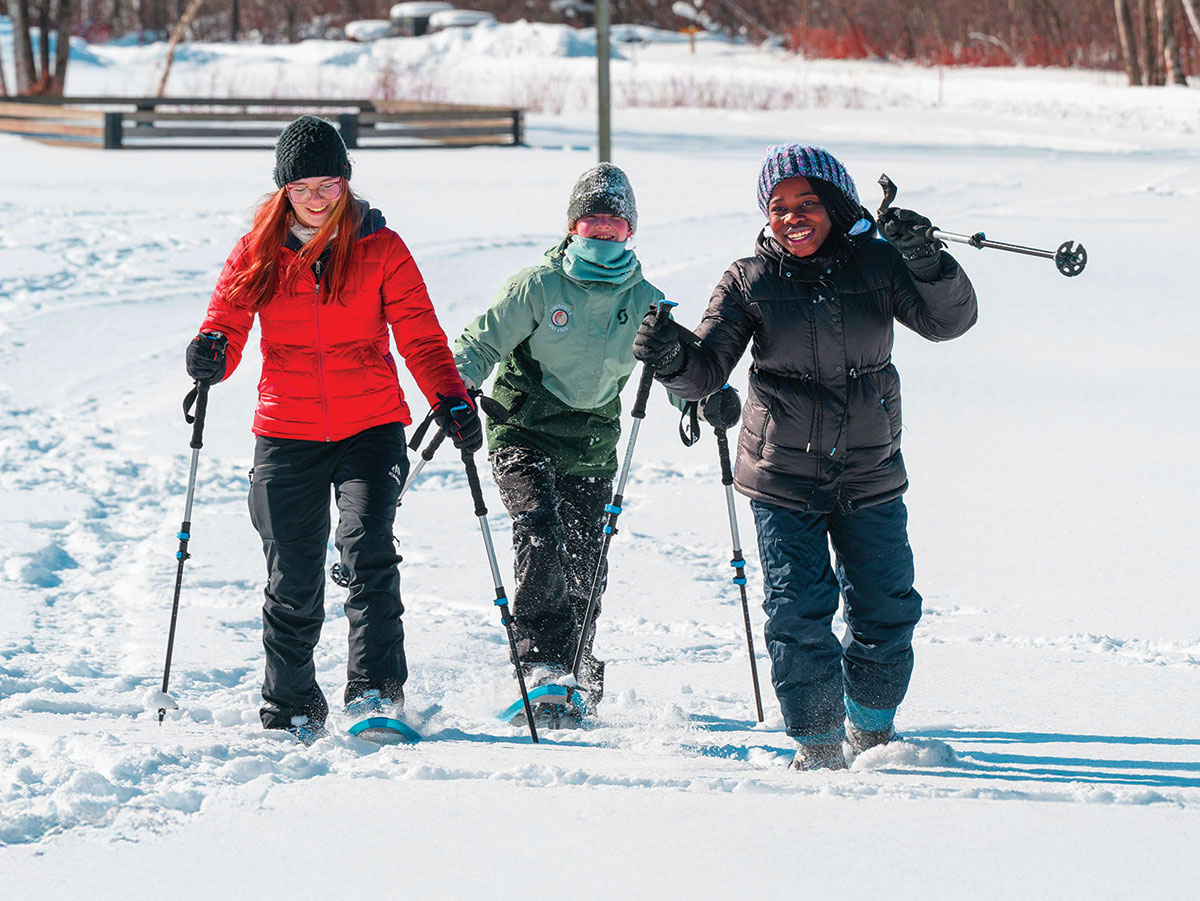
Alice Bates, Catherine McKinney and Vakena Awasum hike through the snow in Vermont.
" data-medium-file="https://i0.wp.com/scoutlife.org/wp-content/uploads/2025/11/winter-feature.jpg?fit=300%2C225&ssl=1" data-large-file="https://i0.wp.com/scoutlife.org/wp-content/uploads/2025/11/winter-feature.jpg?fit=700%2C526&ssl=1" alt="Three Scouts hiking through the snow on a winter campout" width="700" height="526" class="size-full wp-image-187930" srcset="https://i0.wp.com/scoutlife.org/wp-content/uploads/2025/11/winter-feature.jpg?w=1200&ssl=1 1200w, https://i0.wp.com/scoutlife.org/wp-content/uploads/2025/11/winter-feature.jpg?resize=300%2C225&ssl=1 300w, https://i0.wp.com/scoutlife.org/wp-content/uploads/2025/11/winter-feature.jpg?resize=150%2C113&ssl=1 150w, https://i0.wp.com/scoutlife.org/wp-content/uploads/2025/11/winter-feature.jpg?resize=768%2C577&ssl=1 768w, https://i0.wp.com/scoutlife.org/wp-content/uploads/2025/11/winter-feature.jpg?resize=174%2C131&ssl=1 174w, https://i0.wp.com/scoutlife.org/wp-content/uploads/2025/11/winter-feature.jpg?resize=70%2C53&ssl=1 70w" sizes="(max-width: 700px) 100vw, 700px"/>
Alice Bates, Catherine McKinney and Vakena Awasum hike through the snow in Vermont.
When you’re camping in the bitter cold with temperatures that refuse to rise into the double digits, it’s great to warm up with a delicious cup of hot chocolate.
For campers participating in the Winter Trek program at Mount Norris Scout Reservation in Vermont, there was as much of the rich, tasty treat as they wanted before heading back into the snow.
“There was a constant supply of hot chocolate, which was nice,” says Killian Allen, 14, a Star Scout with Troop 611 of South Burlington, Vt.
Ella Chernyshov of Troop 6110 from South Burlington, Vt., shows off a pair of icicles she found.
For four weekends each January and February, the Green Mountain Council camp hosts Scouts from all over New England on winter adventures, where troops can build quinzees (snow shelters), fish on a frozen lake, and try snowshoeing or cross-country skiing. They can also participate in range and target activities, including hatchet throwing, rifle shooting and more.
If you’re prepared, winter camping and cold-weather activities can be a lot of fun.
“I think every Scout should try it at least once,” Killian says.
Left: To make a fishing hole in the ice, you need to use an ice auger. Right: Louis Nelson with Troop 611 of South Burlington, Vermont, reels in a yellow perch.
You must pack properly for winter camping. That means lots of warm clothing.
“You don’t know what the weather could be,” says Star Scout Caidan Higgins, 14, with Troop 611. “So bring two jackets if you need to. I took my jacket off and put on five layers of long-sleeved shirts.”
Left: It’s important to wear layers so you can adjust to stay comfortable. You can still sweat when it’s cold. Right: Henry Huggett of Troop 611 stands ready to haul in a catch.
Wear clothing made of materials that keep you warm even when damp. Cotton doesn’t do that. Instead, pack wool and synthetics, which wick away moisture, dry quickly and continue to insulate.
Bring extra sets of clothes, gloves and socks in case your stuff gets wet.
You’ll also want to have a dry set of clothes to sleep in, and hand warmers can provide heat where you need it.
“I put hand warmers in my boots because my feet were so cold,” says Alice Bates, 14, a Star Scout with Troop 6110 of South Burlington.
Left: Most lake ice should be at least 4 inches thick to safely walk on. Right: Louis Nelson waits for a bite.
Because fish are cold-blooded, they can survive under frozen lakes. They aren’t as active in cold water, but they still have to eat. For ice fishing, Scouts drilled holes in the ice and dropped their baited lines in the holes.
Fishing requires strategy. Bobbing bait up and down mimics an injured animal — easy prey for a hungry fish. Fishing also calls for patience, although sometimes you might not need to wait long for a bite.
Sometimes, you need to scoop slush out of the fishing hole.
“I dropped in my line, and five seconds later, I caught something,” says Micah Hunt, 17, a Second Class Scout with Troop 6110.
Even if they all didn’t pull up a perch, the Scouts enjoyed ice fishing and seeing their friends succeed.
“It was so fun hearing them catch fish,” says Star Scout Juliet Wager, 14, with Troop 6110.
Scouts with Troop 51 of Georgetown, Massachusetts, drag snow to pile on top of their quinzee. A quinzee is a snow shelter made by digging into a pile of snow.
With two feet of snow on the ground, there was plenty to work with when the troops built their quinzees. They made the shelters by first shoveling a big mound of snow together. Then the Scouts dug a tunnel into the mound and hollowed it out. They poked air holes and shaped the interior, creating a dome.
Some troops chose to stay on top of the snow and strapped on snowshoes. This way, they could hike through the powder more easily than with only boots. Trekking poles with snow baskets on the ends helped everybody keep their balance as they hiked.
“I think the snow is really fun to play around in,” Alice says.
Aiden Reid and Dominic Barone from Troop 627 of
Underhill/Jericho, Vt., use
tools to hollow out their quinzee.
Many troops at the council camp opted for shooting slingshots, throwing tomahawks or firing rifles.
“The only other time we get to do that is summer camp,” says Eagle Scout Zach Bushey, 16, with Troop 611.
The cold weather presented an extra challenge. When throwing tomahawks, for example, Scouts had to put a little more muscle into their tosses to get the axes to stick into the targets.
Top: Louis Nelson of Troop 611 takes aim at the slingshot range. Bottom: Juliet Wager, Ella Chernyshov, Chloe Waters, Alice Bates, Micah Hunt, Vakena Awasum and Catherine McKinney, all from Troop 6110 of South Burlington, Vt., go cross-country skiing.
Trying new activities or doing a favorite activity in a colder climate keeps troops coming back to Winter Trek at Mount Norris every winter.
“Winter Treks are always so fun,” Micah says. “I really enjoy winter camping.”
Moisture inside your tent or backpack can cause big problems if you neglect your gear. Cleaning and drying your camping equipment helps extend its life.
“You do not want mold in your tent,” Killian says. “Take care of your gear. Inspect it before you leave.”
If your stuff is wet from melted snow, rain or dew, make sure to dry it out before packing it away. You can use carabiners to hang gear in your garage or on your porch at home.
Even if the air temperature stays above freezing, stay alert for hypothermia. This is a dangerous condition in which your body temperature drops to an unsafe level. Most deaths from hypothermia happen when the air temperature is between 30 and 50 degrees Fahrenheit.
Wearing inadequate clothing and getting wet can be factors in developing hypothermia. Warning signs include shivering, fatigue, slurred speech and a lack of coordination. In more severe cases, the person might stop shivering, their skin could turn blue or they may lose consciousness
To treat it, get the person out of the cold, put them in warm, dry clothes or blankets, and have them drink warm beverages if they are able to swallow.
It’s important to use the buddy system to check on your fellow Scouts throughout the campout.
JL VETERAN 37 MALANG


