
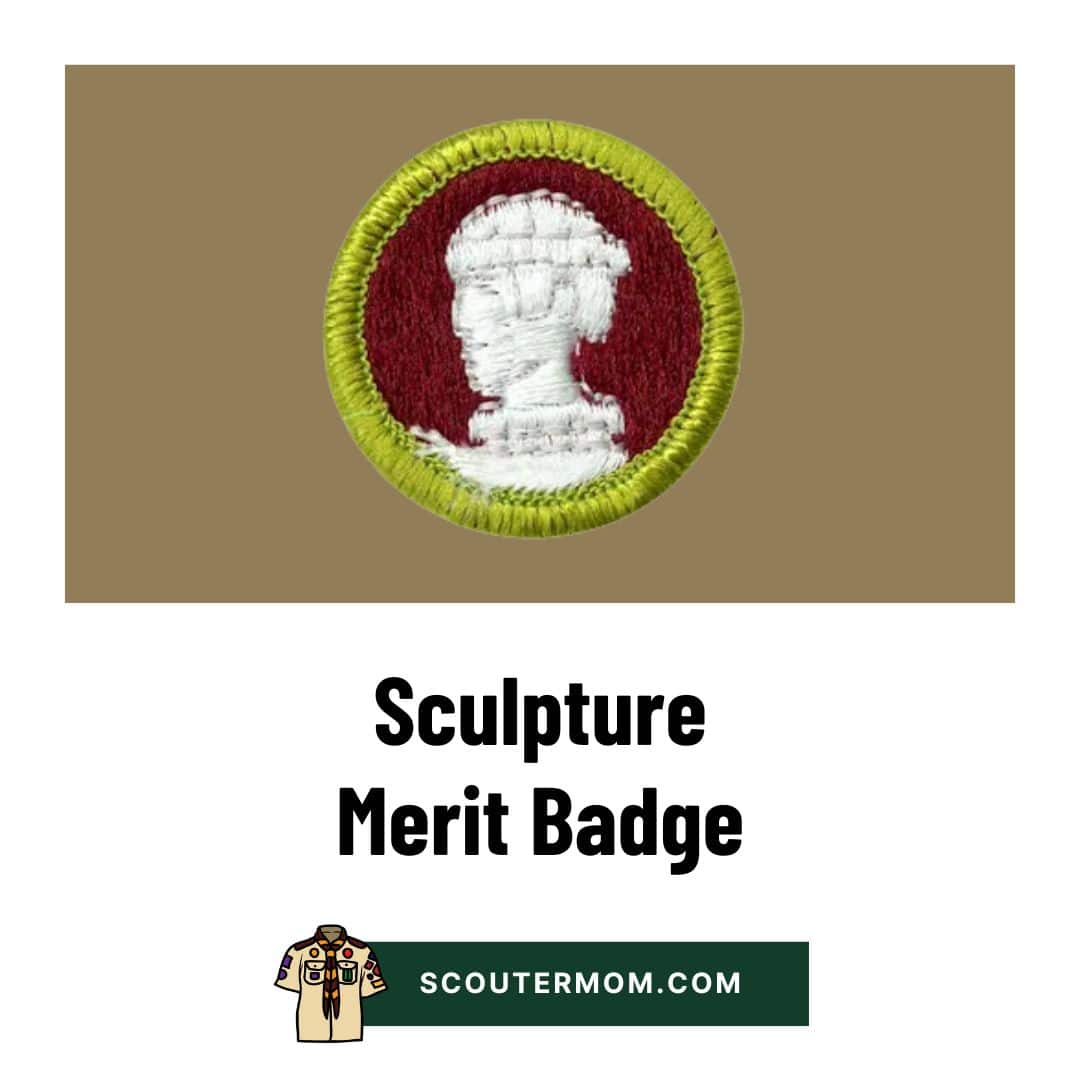
The Sculpture merit badge helps Scouts learn how to create three-dimensional art. This type of art is different from drawing or painting. Instead of working on a flat surface, you shape materials into solid forms. Scouts will work with their hands and tools to make figures, shapes, and other designs.
Sculpture is a good way to explore your creativity. You get to try out different materials and methods. You learn how artists turn ideas into real objects. Making sculpture also takes focus and patience, which are useful skills in many parts of life.
Working on the Sculpture merit badge can help you see art in a new way. When you visit a museum or study an artist’s work, you start to notice the time and effort that goes into each piece. You also learn how art connects to history, culture, and even careers.
Scouts who enjoy building or designing things often enjoy this badge. You don’t have to be an expert. You just need to be willing to try something new. The Sculpture merit badge gives you a chance to express yourself in a new and hands-on way.
The requirements for the Sculpture merit badge were updated on January 1, 2026.
Find specific helps for some of the Sculpture merit badge requirements listed below. Some of these resources will just give the answers. Others will provide engaging ways for older Scouts to introduce these concepts to new Scouts.
Explain to your counselor the precautions that must be followed for the safe use and operation of a sculptor’s tools, equipment, and other materials.
Before starting any project for the Sculpture merit badge, it’s important to know how to use sculpting tools and materials safely. Sculpting involves using knives, chisels, rasps, and sometimes power tools. These can be dangerous if not used the right way. Safety starts with knowing how to handle your tools and protect yourself.
When you are carving wood or stone, always cut away from your body. Keep your fingers clear of the path of sharp tools. Take your time and never rush. Use sharp tools, not dull ones. Dull blades can slip and cause injury. When using rasps, files, or carving tools, work on a stable surface, and always be aware of where your hands are. It’s also a good idea to wear protective gloves and safety goggles, especially when carving or using tools that chip away material.
Dust can be another danger. Carving soapstone or sanding materials like plaster or clay can create fine dust. Breathing in too much dust can harm your lungs. Wear a good dust mask or a respirator approved by NIOSH when sanding or working with materials that create fine particles. Do not eat or drink while working with clay, plaster, or other sculpting materials, and wash your hands well when you’re done.
If you are using plaster of paris or other chemicals, follow the instructions on the packaging. Some materials may contain harmful fumes. Make sure you are in a well-ventilated area or work outside. When firing clay in a kiln or baking polymer clays like Sculpey, do so only with adult supervision. Never look into a hot kiln unless you are wearing infrared goggles or using a proper shield.
For the Sculpture merit badge, some projects use a kiln or an oven. A kiln gets very hot and must be handled by someone who knows how to use it safely. If you are using an oven for your sculpture, ask a responsible adult for help. Never try to use one alone. Polymer clays should be baked in a kitchen oven only under close supervision, because they can release fumes if overheated.
Finally, keep your work area clean and organized. Wear old clothes or an apron, and keep those clothes separate from your regular laundry. Some sculpting materials can leave behind residue that should not be mixed in with other clothing.
By following these safety rules, Scouts working on the Sculpture merit badge can enjoy their projects without getting hurt. Taking care of your tools and workspace shows responsibility and helps you focus on your art. Always ask for help if you’re not sure how to use something. That’s part of learning and growing as a Scout and an artist.
Resources: Working Safely With Clay & DIY Modeling Tools (video)
The Essential Rules of Clay Safety: What You Need to Know (website)
Do TWO of the following:
This part of the Sculpture merit badge helps you learn how to shape forms that look like real people or animals. First, you will make a life-size human head using clay. This is a hands-on way to learn about sculpting the human face. You don’t have to make it look like someone you know. The goal is to learn the basic steps of modeling shapes in clay.
To begin, you’ll need something called an armature. This is a strong base or frame that holds up the clay while you work. You can make one with a piece of wood or a pipe attached to a board. You shape the clay around this structure. It keeps your sculpture steady and helps it hold its shape. Use small pieces of clay and press them firmly so the parts stay together. You can use your hands and tools to shape the eyes, nose, mouth, and other features.
After making the head, you will make a second sculpture. This one will be a small model of an animal or a person. You can choose to use modeling clay again, carve the figure in wood or plaster, or even use a computer program for 3D modeling. Each option gives you a chance to try a different method of sculpting.
Modeling clay is soft and easy to shape. It doesn’t dry out unless you want it to. If you choose to carve wood, you’ll use tools like gouges or chisels to cut away material. Carving is a subtractive method, which means you start with a solid block and take material away to find the shape inside. Plaster can be carved like wood but is more fragile, so be careful.
3D modeling software is another choice. This is a digital way to sculpt. You move shapes around on a screen instead of using your hands. It takes time to learn, but it is fun and creative. Ask your counselor which software is allowed, and try using basic tools in the program to create a small figure.
When you are done, explain to your counselor what you made and how you made it. Talk about what tools you used, what was hard, and what you liked. This helps you think about what you’ve learned and how you might improve.
The Sculpture merit badge is not just about making art. It teaches patience, planning, and the value of working with your hands. By building both a full-size head and a small figure, you learn how artists shape the world around them. These skills can help you in many ways, even outside of art.
Resources: Sculpting a Head in Clay (video)
Portrait Sculpting in Clay (video)
Clay Sculpting Tools (video)
In this part of the Sculpture merit badge, you will learn how to make a mold using plaster. A mold is a hollow shape that you can use to make copies of an object. For this project, you will use a real fruit or vegetable as your object. Good choices are bananas or pears because they have simple shapes and no deep holes or grooves.
Start by cutting a cardboard milk container in half to use as a mold box. Place a small piece of modeling clay at the bottom to help balance the fruit. Coat the fruit with a thin layer of petroleum jelly. This keeps it from sticking to the plaster. Then mix plaster of paris in a separate container. Plaster of paris is a powder that hardens quickly when you mix it with water. Stir until the plaster is smooth and has the thickness of heavy cream.
Pour the plaster into the mold box until it reaches halfway up the fruit. Let this first half harden. Then coat the surface with more petroleum jelly so the second half won’t stick to the first. Reattach the top half of the milk container with tape and pour more plaster in to cover the rest of the fruit. Let the whole mold dry overnight.
Once the mold is fully dry, gently tear open the carton and pull the two halves apart. Take out the fruit and any leftover clay. You now have a mold in two parts. When the inside is dry, coat both halves with petroleum jelly again to prepare for casting the copy.
Now it’s time to make a plaster copy of the fruit. Tape or tie the mold halves together. Pour fresh plaster into the opening and gently tap the mold to release air bubbles. This helps the plaster settle and makes a smoother copy. Let the copy harden completely before opening the mold.
Once the copy is dry, you can use a rasp to smooth out rough spots. A rasp is a coarse tool used to file or shape plaster or wood. You can then paint your plaster fruit using acrylic paints. Acrylic paint dries quickly and sticks well to plaster.
This project for the Sculpture merit badge teaches how artists make molds and cast forms. It helps you understand how sculpture can be repeated or copied using a mold. You also practice being careful and patient as you measure, pour, and wait for materials to dry. These are important skills for any sculptor to learn.
Resources: Fruit and Vegetable Art – Silicone Moulds and Plaster Casts (website)
Plaster Fruit Cast (video)
This part of the Sculpture merit badge encourages you to see real artwork up close. You can visit a museum, an art exhibit, an art gallery, an artist’s co-op, or an artist’s studio. These are all places where sculpture and other types of visual art are displayed. A museum usually shows well-known art from history. A gallery might show the work of living artists who want to sell their sculptures. An artist’s studio is where the art is made. Ask your counselor and parent or guardian to help you choose a place to visit.
As you walk through the space, look closely at how each sculpture is made. Notice the materials used and the shapes of the forms. Think about the size, the texture, and how the light hits the surface. Try to understand what the artist might be trying to say with the work. Some sculptures might show feelings or tell stories. Others may just explore shape and balance. If you can, ask questions or read any signs that explain the art.
After your visit, take time to reflect. What did you see that was new or interesting? Did you learn something about a time in history or a different culture? Did any of the pieces surprise you? Talk to your counselor about your visit. Share what you liked, what you didn’t understand, and what made you think. This helps you get more from the experience and shows your counselor that you took the time to observe and learn.
Visual arts are important in many ways. They give people a way to express their thoughts and feelings without words. When you see a sculpture from another culture or time period, it helps you understand how others live and think. This can build tolerance, which means learning to respect people who are different from you.
Art also helps with personal growth. Making or viewing sculpture can help you think more deeply. It can help you become more creative and open-minded. You start to ask questions and look at things from different angles. This helps your brain grow and can even help you solve problems in other areas of life.
When we learn to appreciate sculpture and other visual arts, we become better at understanding others. This is one of the goals of the Sculpture merit badge. It’s not just about making art. It’s also about seeing how art connects people and helps us grow. Whether you visit a big museum or a small gallery, you will walk away with a new way of seeing the world.
Resource: How to Visit an Art Museum (video)
Do ONE of the following:
The Sculpture merit badge gives you a chance to explore real careers in the art world. Some people make sculpture for a living. Others work in jobs that support artists or help share their work with the public. Sculptors often combine their art with teaching, selling, or working with museums. There are many ways to be part of the sculpture world.
Here are some careers a Scout might explore:
Let’s take a closer look at what it’s like to be a professional sculptor. A sculptor is someone who creates three-dimensional artwork using materials like clay, wood, metal, or stone. Some sculptors work on large pieces that are placed in public areas. Others make smaller pieces to sell in galleries. Most sculptors work alone in studios and set their own schedules. This can be very rewarding but also requires self-discipline.
To become a sculptor, most people start by taking art classes in high school. They might go to college to earn a degree in fine arts, usually called a BFA or MFA. These degrees include studio classes and art history. Some sculptors get hands-on training by working with another artist as an assistant or apprentice. Over time, they build a collection of their work, called a portfolio, to show to galleries or clients.
A sculptor also needs to know how to use tools safely and work with different materials. They may learn welding, woodworking, or casting. These skills can take years to master. Many sculptors also need business skills to sell their art, find shows, and work with clients.
If you enjoy working with your hands, being creative, and sharing ideas through art, sculpture might be a good career for you. Talk to your counselor about which sculpture-related career sounds interesting. The Sculpture merit badge helps you start thinking about how your interests today could turn into a job in the future. Learning about careers gives you new ideas for where your talent and effort might take you.
Resources: 12 Careers for Sculptors (website)
How To Become an Artist/Sculptor (video)
Craft Artist Careers (video)
If you enjoy working with your hands, sculpting can be a good hobby to continue after this merit badge. Many people sculpt at home using clay, wood, plaster, or digital tools. You can start small and improve over time. Sculpting helps you practice patience, focus, and creativity. It can also be relaxing and fun.
You do not need much training to begin. Many hobby sculptors learn from videos, books, or local classes. Community centers, art stores, and museums sometimes offer beginner classes. Online lessons can also help you learn new skills at your own pace. As you gain experience, you may choose to learn advanced techniques.
Expenses depend on the type of sculpting you choose. Clay sculpting usually costs less to start. You may need clay, basic tools, and a work surface. Wood or stone carving can cost more due to tools and safety gear. Digital sculpting may require a computer and special software. You can keep costs low by starting simple.
Several organizations support art and sculpture hobbies. Local art clubs and community groups often welcome beginners. Art museums and galleries may offer workshops or talks. Some national art organizations share learning resources and host shows where artists can display their work.
Set clear goals to stay motivated. A short-term goal might be finishing one small sculpture or learning a new tool. A long-term goal could be building a collection of work or entering a local art show. Talk with your counselor about your goals and how this hobby could grow over time.
Resource: Exploring the Benefits of Sculpting as a Hobby (website)

The Sculpture merit badge helps Scouts learn how to shape materials into simple forms through carving, modeling, or assembling. It fits well in the merit badge program because it teaches creativity, patience, and steady work. Scouts explore how three-dimensional art communicates ideas. This adds an artistic option to the wide range of badges and shows that Scouting values many types of skills.
This badge also connects to others that focus on hands-on creativity. A Scout who enjoys Sculpture might also try Art, Wood Carving, or Model Design and Building. These badges help Scouts explore different ways to create and express ideas. The variety gives them many chances to discover new interests.

The Sculpture merit badge supports the larger Scouts BSA program by helping Scouts develop focus, problem-solving, and confidence. Working with tools and materials teaches planning and careful steps. These habits support leadership and personal growth.
It also supports citizenship. Scouts learn how art can express feelings, tell stories, and bring people together. They see how creative work can serve their troop and community.
What is the Sculpture merit badge about?
The Sculpture merit badge teaches Scouts how to make three-dimensional art. You will try different materials and tools to create your own sculpture projects.
Do I need to be good at art to earn the Sculpture merit badge?
No. You just need to be willing to try. The goal is to learn and explore, not to be perfect.
What materials will I use for the Sculpture merit badge?
You might use clay, plaster, wood, or digital tools. Your counselor will help you choose safe and simple materials.
Is the Sculpture merit badge messy?
It can be. Some projects use clay or plaster, which can get on your hands or clothes. Wear old clothes and cover your work area.
Do I need special tools for the Sculpture merit badge?
Some tools are helpful, like carving tools or loop tools. Your counselor might have them or help you find what you need.
Can I use a computer to do my sculpture project?
Yes. One option is to use 3D modeling software to create a figure. Ask your counselor which software is approved.
Do I have to go to a museum for the Sculpture merit badge?
Yes, if you choose that option. You can also visit an art gallery, artist’s studio, or co-op. Ask your parent or counselor for help planning your visit.
Is the Sculpture merit badge safe?
Yes, if you follow safety rules. Always use tools the right way and wear safety gear when needed. Ask for help if you are unsure.
What will I make for the Sculpture merit badge?
You will make a life-size clay head and another small sculpture of a person or animal. You will also learn how to make a plaster mold.
Can I earn the Sculpture merit badge at camp?
Some camps offer it. Check with your Scout camp to see if the Sculpture merit badge is on the schedule.
Why should I try the Sculpture merit badge?
It’s fun, creative, and hands-on. You’ll learn new skills and see art in a new way. It may even help you think about a future career.
The Sculpture merit badge is a great choice for Scouts who like to work with their hands. It teaches you how to create art that has shape, depth, and form. Instead of drawing on paper, you will be building something you can see from all sides. This is a fun way to explore your creative side.
You will learn how to work safely with different tools and materials. You will use clay to model a human head. Then you will make a second project, such as carving in wood or plaster, or using 3D software to create a figure. You will also learn how to make a mold and cast a copy of a real object.
Another part of the Sculpture merit badge includes visiting a museum, gallery, or artist’s studio. This helps you see how real artists work and how sculpture is shared with others. You will talk about what you saw and learned, and why art is important to people and communities.
The last step is to explore careers in sculpture. You will look at what training and education is needed and share why one of the jobs might be interesting to you. The Sculpture merit badge is a mix of hands-on projects and real-world learning. It’s a fun way to build something and learn at the same time.
JL VETERAN 37 MALANG