
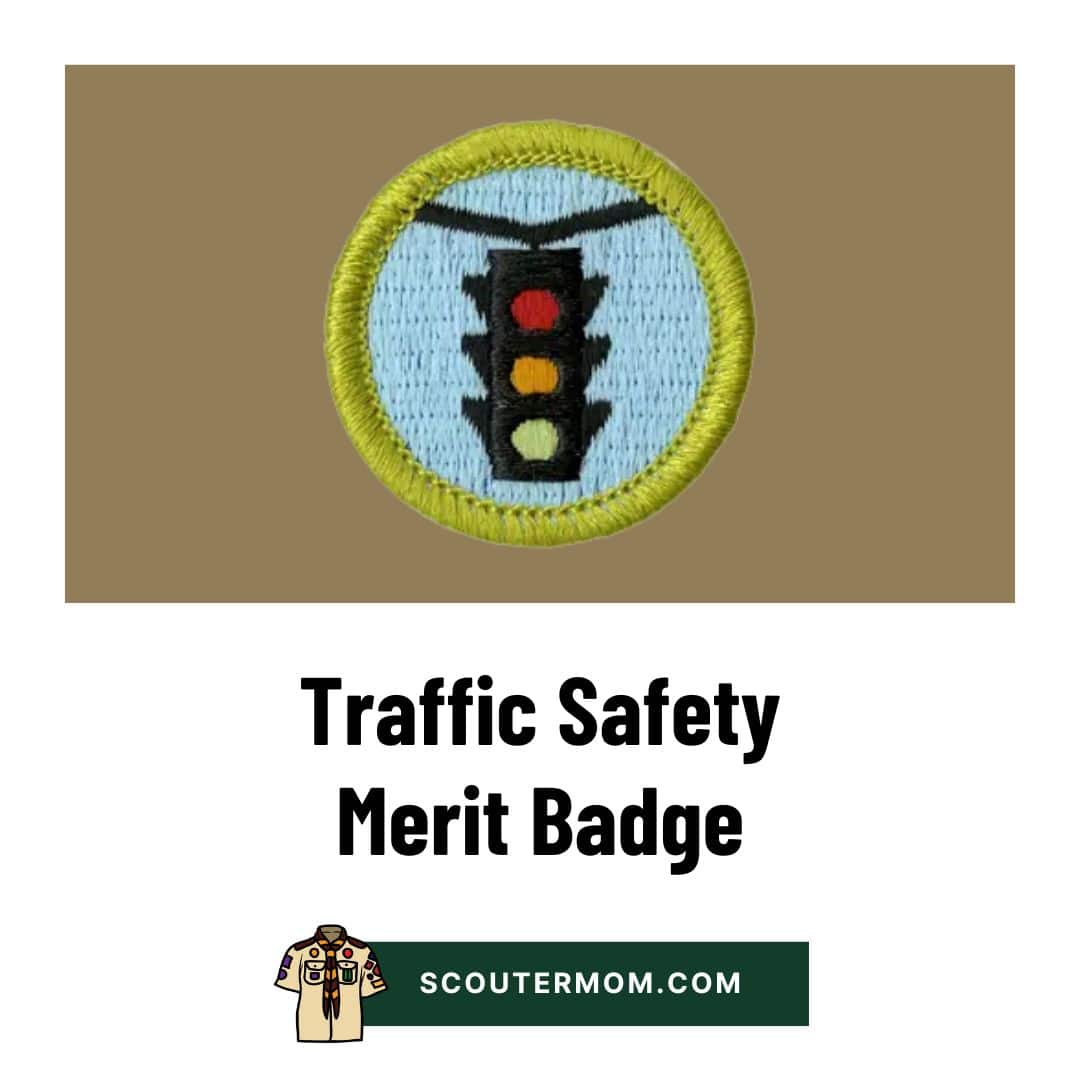
The Traffic Safety Merit Badge helps Scouts learn how to stay safe around roads, cars, and traffic. This is important because traffic is part of everyday life. Scouts walk to school, ride bikes, and ride in cars with family and friends. Some Scouts are already driving, and others will be soon. This badge helps Scouts pay attention and make smart choices in these situations.
As Scouts work on this badge, they learn how their actions affect safety. They learn why paying attention matters and how small mistakes can lead to big problems. Scouts start to see how distractions, poor choices, and lack of planning can put people at risk. This helps them build good habits that can last a lifetime.
The badge also helps Scouts think about other people on the road. Roads are shared spaces. Drivers, cyclists, and people on foot all need to work together. Scouts learn how to watch out for others and how to be patient and courteous. This fits well with the values Scouts already practice in their daily lives.
Working on the Traffic Safety Merit Badge builds confidence. Scouts gain skills they can use right away. They become safer passengers, cyclists, and drivers. They also learn how to speak up when something feels unsafe. These lessons help Scouts protect themselves and the people around them as they grow more independent.
The requirements for the Traffic Safety merit badge were updated on January 1, 2026.
Find specific helps for some of the Traffic Safety merit badge requirements listed below. Some of these resources will just give the answers. Others will provide engaging ways for older Scouts to introduce these concepts to new Scouts.
Do the following:
A distracted driver must not operate a motor vehicle because driving needs full attention. Cars move fast, and things can change in seconds. When a driver looks away or thinks about something else, they may not see a stoplight, a pedestrian, or a car slowing down. Even a short distraction can lead to a crash.
Common distractions include texting or using a phone, changing music or GPS settings, eating or drinking, talking to passengers, and looking at something outside the car. Each of these pulls attention away from driving. When attention drops, reaction time slows. That makes it harder to brake, steer, or avoid danger.
Distractions cause accidents because drivers miss warning signs and make poor choices. A distracted driver may drift out of a lane or fail to stop in time. They may also misjudge speed or distance. These mistakes often lead to rear-end crashes or running red lights.
Drivers can reduce distractions by setting up music and navigation before driving. Phones should be silenced and kept out of reach. Eating can wait until the trip is over. Passengers can help by keeping noise low. As a Scout, you should speak up if a driver is distracted.
Resource: Distracted Driving (video)
A driver who is impaired by alcohol, drugs, or other substances must not operate a motor vehicle because these substances affect the brain and body. Safe driving needs clear thinking, quick reactions, and good judgment. Impairment makes all of these weaker.
Alcohol slows reaction time and affects balance and vision. Cold medications can cause drowsiness and slow thinking. Prescription drugs may cause dizziness or confusion. Illegal drugs can change how a driver sees risk and reacts to traffic. Mixing substances makes the danger worse.
In most states, the legal blood alcohol concentration is 0.08 for drivers age 21 and older. For drivers under 21, the limit is often 0.00 or very close to zero. Driving while intoxicated or under the influence can lead to fines, license suspension, required classes, higher insurance costs, or jail time.
Most states also have open-container laws. These laws make it illegal to have open alcohol containers in the passenger area of a vehicle. The best choice is simple. If you drink or take a substance that affects you, do not drive. Plan a safe ride instead.
Resources: The Deadly Truth About Drinking and Driving (video)
Blood Alcohol Content & Driving: What You Need to Know (video)
A fatigued driver must not operate a motor vehicle because tired brains do not work well. Fatigue slows reaction time and reduces focus. A tired driver may miss signs, drift between lanes, or fall asleep for a moment. That can be deadly at highway speeds.
Fatigue can come from lack of sleep, long trips, or busy schedules. Driving late at night or after a full day of activity is risky. Young drivers are often affected because they balance school, activities, and social time.
Drivers must plan ahead to stay alert. This includes getting enough sleep before driving and avoiding late-night trips when possible. Long trips should include breaks to stretch and rest. Switching drivers can also help.
As a Scout, you should look out for safety. If you feel too tired, do not drive. If someone else is driving and seems drowsy, speak up. Keeping everyone safe is part of being responsible.
Resources: Recognizing Fatigue—Warning Signs (video)
Driver Tiredness, Fatigue, and Road Safety (video)
New drivers often make mistakes because they lack experience. Common mistakes include speeding, following too closely, overconfidence, driving with loud passengers, and using phones. These behaviors increase the risk of collisions because new drivers need more time to react.
These mistakes raise crash risk by reducing space and attention. Speeding shortens reaction time. Tailgating leaves no room to stop. Passengers can distract the driver. Overconfidence can lead to risky choices.
Drivers can reduce risk by following speed limits and leaving space between cars. Limiting passengers helps with focus. Phones should stay out of reach. Practice driving in different conditions builds skill over time.
Driving behavior affects automobile insurance rates. Crashes, tickets, and risky driving raise costs. Safe driving keeps rates lower. As a Scout, building good habits now helps protect lives and saves money later.
Resources: 7 Common Mistakes New Drivers Make—and How to Avoid Them (website)
Most Common Driving Mistakes to Avoid (video)
Do the following:
To wear a lap and shoulder belt properly, start by sitting upright in the seat. The lap belt should rest low across your hips, not across your stomach. This helps your strong hip bones take the force in a crash. The shoulder belt should cross the middle of your chest and rest on your shoulder, not your neck or arm.
The belt should be snug but comfortable. A loose belt cannot protect you well. Never tuck the shoulder belt behind your back or under your arm. That makes injuries worse in a crash. Each person must use their own seat belt. Sharing a belt is unsafe.
Seat belts are important for drivers and all passengers. They keep people from being thrown forward or out of the vehicle. They also help keep the driver in position to control the car. Air bags work best when seat belts are worn.
Children must use age-appropriate seats. Younger children need car seats or booster seats so the belt fits correctly. Even short trips are risky without a seat belt. As a Scout, you should buckle up every time and remind others to do the same.
Resources: How to Wear a Seat Belt Properly (video)
Car Seat Safety (video)
Modern vehicles include many safety features besides seat belts and air bags. One common feature is antilock brakes. These brakes prevent the wheels from locking up during hard braking. This helps the driver steer while slowing down and reduces skidding.
Another safety feature is traction control. This system helps keep tires from slipping when starting or accelerating. It is useful on wet, icy, or loose surfaces. Stability control is related and helps prevent skids during sharp turns by adjusting braking and engine power.
Crumple zones are built into the front and rear of many vehicles. These areas are designed to crush during a crash. This absorbs energy and reduces the force that reaches the passengers. The passenger area is built to stay strong to protect people inside.
Backup cameras and warning sensors are also common. These help drivers see objects behind or beside the car. They reduce the risk of backing into people or other vehicles. Knowing how these features work helps you understand how cars are designed to keep people safer.
Resource: 10 Car Safety Features That Every Car Must Have (video)
With adult supervision and using a vehicle that you have access to, do the following:
With an adult present, start by turning the vehicle on and finding the light controls. These are usually on the dashboard or on a lever near the steering wheel. Turn on the headlights, high beams, parking lights, and hazard lights. Have the adult walk around the vehicle to confirm all lights work and are clean.
Next, test the turn signals and brake lights. Use the turn signal lever for left and right signals. Press the brake pedal while the adult checks the rear lights. Also check reverse lights by placing the car in reverse with the brake pressed. Replace burned-out bulbs right away.
Lights help drivers see and be seen. Headlights help you see the road at night and in bad weather. Brake lights warn others when you slow down. Turn signals show your plans so others can react safely. Using lights correctly is part of being courteous.
As a Scout, take this seriously. Broken lights confuse other drivers and increase crash risk. A quick light check before trips is a smart habit to build.
Resource: Types of Car Lights & Their Purposes (video)
Drivers need clear front, rear, and side windows to see traffic, signs, and people. Dirt, fog, ice, stickers, and cracks can block vision. Inside fog can happen from moisture. Outside dirt builds up from road spray. Both should be cleaned often.
Windshield wipers help keep the glass clear. To test them, wet the windshield and turn the wipers on. Watch how they move. If they smear water, skip spots, or squeak, the blades may need replacement. Good blades clear water in one or two passes.
Wipers are important in rain, snow, sleet, and road spray. They are also useful when dust or bugs hit the windshield. In winter, worn blades struggle with ice and slush. In summer storms, poor wipers reduce visibility fast.
As a Scout, learn where the wiper controls are and how to use different speeds. Clear vision gives you time to react and make safe choices.
Resource: How to Check Your Wipers (video)
Start by finding the recommended tire pressure. This is listed on a sticker inside the driver’s door or in the owner’s manual. It is not the number printed on the tire itself. Use a tire gauge to check pressure when tires are cold.
To check tread depth, look for wear bars in the tread or use a penny. Place the penny in a tread groove with Lincoln’s head down. If you can see the top of his head, the tire needs replacement. Check all tires, including the spare.
Proper tire pressure helps tires grip the road. Low pressure increases stopping distance and causes uneven wear. High pressure reduces traction. Good tread helps prevent skids and hydroplaning, especially on wet roads.
Well-maintained tires also improve fuel economy. As a Scout, checking tires regularly shows responsibility and helps keep everyone safe.
Resource: How to Check Your Tires (video)
Check the vehicle for tools used for flat tires. Look for a spare tire, jack, and lug wrench. Some vehicles have a tire sealant kit instead. Make sure everything is present and in good condition.
To change a flat tire, park on a level surface away from traffic. Turn off the engine and set the parking brake. Loosen the lug nuts, raise the car with the jack, remove the tire, and install the spare. Tighten lug nuts securely before driving.
Tire sealant kits work by injecting sealant into the tire through the valve stem. This can seal small punctures. Follow the instructions carefully. These kits are temporary fixes and require a tire check later.
Knowing how to handle a flat builds confidence. With adult guidance, practice these steps so you are ready if it happens.
Resource: Tire Inflator and Sealant Kit (video)
Reaction distance is how far a car travels from seeing danger to pressing the brake. Braking distance is how far it travels after braking begins. Together, these make total stopping distance. Speed affects both greatly.
In a safe area, mark distances for 25, 55, and 70 miles per hour. You will see that higher speeds need much more space to stop. Wet pavement increases stopping distance because tires grip less.
Impaired drivers need even more distance. Alcohol, drugs, fatigue, and distractions slow reaction time. Night driving reduces visibility, which also increases stopping distance. Weather like rain or snow makes it worse.
As a Scout, this lesson shows why speed limits matter. Leaving space and staying alert gives you room to react and stop safely.
Note: Use the graphics template in the Traffic Safety merit badge pamphlet or one approved by your counselor to set up this demonstration.
Resources: Stopping Distance Table and Graphs (PDF)
Thinking, Braking, and Stopping Distances (video)
Stopping Distance Demonstration (video)
Do the following:
Traffic laws apply to drivers of motor vehicles and to bicyclists. One example is obeying traffic signals. Both drivers and cyclists must stop at red lights and stop signs. Ignoring signals puts everyone at risk, especially at intersections where crashes often happen.
Another shared law is staying on the correct side of the road. Vehicles and bicycles must travel on the right side and go with traffic. Riding or driving against traffic makes it hard for others to predict movement and react safely.
Speed laws also apply. Drivers must follow posted speed limits. Bicyclists must ride at a safe speed for conditions and control their bike. Both must yield to pedestrians in crosswalks. As a Scout, learning these shared rules helps you be a safer road user in any situation.
Resource: Bicycle Rules of the Road (video)
If a law enforcement officer stops your vehicle, stay calm. Slow down and pull over to the right in a safe place. Turn off the engine and stay in the car unless told otherwise. Use your turn signal so the officer knows you are stopping.
Keep your hands visible, usually on the steering wheel. At night, turn on the inside light. Do not make sudden movements. Wait for the officer to speak and explain why you were stopped.
Be polite and respectful. Answer questions honestly. When asked, provide your documents. If you do not understand something, it is okay to ask calmly. As a Scout, courtesy and respect matter, even in stressful moments.
Resource: Traffic Stop Etiquette (video)
If you are involved in a car accident, stop right away. Turn off the engine and check for injuries. Call for help if anyone is hurt. If it is safe, move vehicles out of traffic to prevent another crash.
Turn on hazard lights to warn other drivers. Stay calm and do not argue about fault. Exchange information with the other driver, including names, contact details, and insurance information. Take notes or photos if it is safe to do so.
Contact law enforcement if required. Cooperate fully and tell the truth. After leaving the scene, report the accident to your insurance company. Knowing these steps helps you stay focused and act responsibly.
Resource: What to Do After a Car Accident (video)
Drivers are required by law to carry three documents whenever they operate a motor vehicle. The first is a valid driver’s license. This shows that you are legally allowed to drive.
The second document is proof of insurance. This shows the vehicle is covered in case of an accident. Many drivers keep a paper copy or a digital version on their phone.
The third document is vehicle registration. This shows the vehicle is legally registered with the state. Keeping these documents organized and easy to reach makes traffic stops smoother. As a Scout, being prepared is always a good habit.
Resource: Three Documents You Should Always Have in Your Car (website)
Do the following:
Road design plays a big role in traffic safety. Intersections are designed to control where vehicles meet. Turn lanes, traffic signals, and clear markings help drivers know when to stop, go, or yield. Good intersection design reduces confusion and lowers the chance of crashes.
Medians separate traffic moving in opposite directions. This helps prevent head-on collisions. Medians also give drivers a safe place to stop if they lose control or need to wait before making a turn. On busy roads, medians help traffic flow in a safer way.
Road shoulders give drivers space to pull over in an emergency. They are used for breakdowns, flat tires, or emergency vehicles. Wide, clear shoulders reduce risk by moving stopped vehicles out of traffic lanes. As a Scout, notice how these features work together to protect everyone on the road.
Interstate highways include added safety features. They have limited access, which means fewer intersections. Entrance and exit ramps help traffic merge at similar speeds. Clear signs, wide lanes, and smooth surfaces all support safer travel at higher speeds.
Resource: How Highways Are Designed and Built (video)
Traffic signs use color and shape so drivers can understand them quickly. For example, red signs tell drivers to stop or prohibit an action. Yellow signs warn about hazards ahead. Green signs give directions and distances. These colors stay the same everywhere to avoid confusion.
Shapes also matter. Stop signs are octagons, so they are easy to recognize even from the back. Yield signs are triangles. Warning signs are often diamond-shaped. School signs use a special shape to alert drivers to slow down.
There are different types of signs. Regulatory signs tell drivers what they must do, like speed limits. Warning signs alert drivers to curves, crossings, or changes in the road. Guide signs help drivers find routes, exits, and services.
Traffic signals and pavement markings add more information. Signals control traffic flow at intersections. Pavement markings show lanes, passing zones, and edges of the road. As a Scout, learning these patterns helps you react faster and drive more safely.
Resources: Understanding Road Signs (video)
Traffic Signals (video)
Pavement Markings (video)
Do the following:
At night, a properly lit bicycle or a pedestrian wearing reflective material is much easier for drivers to see. Lights and reflective gear bounce headlights back toward drivers. This gives drivers time to slow down or change position. Visibility can begin hundreds of feet away.
A bicycle with no lights and a rider in dark clothing blends into the road. Drivers may not notice them until they are very close. By then, there may not be enough time to react. This is one reason many night crashes involve cyclists or pedestrians.
A front white light and a rear red light help drivers see a bicycle’s position and direction. Reflective tape or clothing adds extra visibility from the sides. Pedestrians benefit from reflective shoes, vests, or bands.
As a Scout, make visibility a habit. If you walk or ride at night, use lights and reflective gear. Being seen early can prevent a serious crash.
Resources: Bike Safety – Sharing the Road (video)
The Basics of Bicycle Safety (video)
What to Do to Make Driving at Night Safer (video)
Pedestrians should cross streets at crosswalks or intersections whenever possible. These areas are designed for people on foot and are where drivers expect to see them. Always look left, right, then left again before stepping into the road.
Walking on sidewalks keeps pedestrians away from traffic. If there is no sidewalk, walk facing traffic. This allows you to see approaching vehicles and move away if needed. Stay as far off the roadway as possible.
Wear bright or light-colored clothing during the day. At night, wear reflective material. Avoid distractions like phones or headphones when crossing streets. Paying attention helps you notice cars and signals.
Hikers walking along roads should follow the same rules. Staying alert and visible helps protect you when vehicles pass close by.
Resource: The Basics of Pedestrian Safety (video)
School buses make frequent stops to load and unload children. When a bus is stopping, drivers must slow down and be ready to stop. Children may cross the road or move unexpectedly.
When the bus has red flashing lights and a stop arm extended, drivers must stop. This applies to traffic in both directions on most roads. Do not move until the lights stop flashing and the arm is folded in.
Drivers should watch carefully for children near the bus. Kids may be hard to see, especially if they are short or distracted. Passing a stopped bus is dangerous and illegal.
As a Scout, understand these rules even before you drive. Protecting children near buses is a shared responsibility.
Resource: Driving Safety 101: School Bus Safety (video)
Blind spots are areas around a vehicle that the driver cannot see using mirrors. All vehicles have them, but trucks and buses have larger blind spots. Drivers may not see cars, bikes, or people in these areas.
Blind spots increase the risk of lane change crashes. A driver may think a lane is clear when it is not. This can lead to sideswipe collisions or forcing another vehicle off the road.
Drivers can reduce this risk by adjusting mirrors correctly. Checking over the shoulder before changing lanes helps spot hidden vehicles. Using turn signals gives others time to react.
As a Scout, remember to stay out of blind spots when riding or driving. If you cannot see a driver’s mirrors, they likely cannot see you.
Resources: Blind Spots Lessons (video)
Lane Changes (video)
Do ONE of the following:
For this requirement, you will talk with a traffic law enforcement officer or a traffic safety professional. Ask them what traffic problems worry them most in your community. Many officers mention distracted driving, speeding, and impaired driving. These issues cause serious crashes and injuries and happen often.
Listen carefully and take notes. Ask follow-up questions so you understand why these problems keep happening. An officer may explain where crashes occur and what behaviors lead to them. This helps you see traffic safety as a local issue, not just a rule book.
Next, discuss one problem with your counselor and suggest ways to improve it. For example, distracted driving could be reduced through education, phone-free driving pledges, or school presentations. Speeding might be addressed with better signs or community reminders.
This step helps you practice communication and problem solving. It also shows how Scouts can work with adults to improve safety where they live.
Resources: Engineering and Inspector Careers (video)
Women in Road Safety Careers (video)
A traffic safety pledge is a promise you make to yourself. It should focus on three issues you care about most. These might include staying off your phone while riding or driving, always wearing a seat belt, or refusing to ride with an impaired driver.
Write your pledge in clear and simple words. Be specific about what you will do. For example, say you will silence your phone before trips or speak up if a driver is tired or distracted.
Think about situations you face often. If you bike or walk a lot, include visibility and safe crossings. If you ride with friends, include seat belts and calm behavior in the car. Your pledge should fit your life.
Share your pledge with your counselor and talk about it. This helps you think through challenges and stay accountable. A pledge works best when you take it seriously.
Resources: Take the Pledge (website)
Parent-Teen Driving Agreement (website)
For this option, you will plan and organize an activity that shows why traffic safety matters. This could be a bike safety event, a school presentation, or a safety poster campaign. Choose something that fits your time and resources.
Start by picking a goal. You might want to encourage seat belt use or safe walking routes. Decide who your audience is and where the event will happen. Make a simple plan and ask adults for help when needed.
During the activity, focus on clear messages. Use simple examples and real situations people understand. Keep safety the main theme. Afterward, think about what went well and what you learned.
This requirement shows leadership in action. You are not just learning about traffic safety. You are helping others think about it too.
Resource: Teen Driving Safety Event (video)
Explore careers related to traffic safety. Research one career to learn about the training and education needed, costs, job prospects, salary, job duties, and career advancement. Your research methods may include—with your parent or guardian’s permission—an internet or library search, an interview with a professional in the field, or a visit to a location where people in this career work. Discuss with your counselor both your findings and what about this profession might make it an interesting career.
Traffic safety work focuses on preventing crashes and protecting people on roads and streets. These careers look at how people drive, walk, bike, and ride. Some focus on education, some on design, and others on response after crashes happen. All of them work toward the same goal of safer travel for everyone.
Training and education depend on the career. Some jobs need a college degree, such as engineering or public health roles. Others use technical training, certifications, or on-the-job learning. Law enforcement and emergency response careers require special academies and ongoing training. Costs vary, but many paths offer scholarships, paid training, or entry-level options.
Job prospects in traffic safety are generally steady. Communities always need safe roads, clear signs, trained drivers, and emergency responders. Salaries range widely based on training and responsibility. Many careers offer chances to advance into leadership, training, or planning roles with experience.
These careers can be interesting because the work matters. Helping prevent injuries and save lives gives strong purpose. If you like problem solving, working with people, or serving your community, traffic safety offers many paths. Talking with your counselor can help you decide which ones fit your interests.
Resources: What It’s Like to Work in Traffic Control and Safety in Road Construction (video)
On The Job: Traffic Signal Technician (video)
The Safety program feature for Scouts BSA helps youth learn how to handle real-life dangers. It covers home safety, outdoor risks, internet safety, and crime prevention. Meeting ideas are organized by skill level. There are also games, skits, and activities to make learning fun and easy to remember.
The program connects with many advancement topics, including the Traffic Safety merit badge. Scouts can explore public safety careers, visit agencies, and plan events. These activities help Scouts become more aware of risks around them and learn how to stay safe in different settings.

The Traffic Safety merit badge gives Scouts a simple way to learn how to stay safe on the road. It fits well within the full merit badge program because it adds a practical life skill to a list that includes science, outdoors, trades, and arts. Scouts learn about safe driving, road rules, and how choices affect others. This helps balance the wide range of badges by offering knowledge that supports everyday life.
It also connects to badges like Automotive Maintenance and First Aid. Scouts who enjoy learning real-world skills often find this badge helpful. It supports the program’s goal of preparing Scouts for adult responsibilities.

The Traffic Safety merit badge supports the larger goals of Scouts BSA by teaching awareness, responsibility, and careful decision-making. These traits help Scouts grow as safe and thoughtful leaders.
It also ties into fitness, citizenship, and personal development. Understanding safe travel encourages healthy habits. Learning how road safety affects communities builds respect and service. These lessons strengthen judgment and confidence.
What is the Traffic Safety Merit Badge about?
The Traffic Safety Merit Badge helps Scouts learn how to stay safe around roads and traffic. It covers driving, biking, walking, and riding as a passenger. The badge focuses on good choices and smart habits. These skills help Scouts protect themselves and others every day.
Who can earn the Traffic Safety Merit Badge?
The Traffic Safety Merit Badge is for Scouts in Scouts BSA. It works well for middle school and high school Scouts. You do not need a driver’s license to earn it. Many requirements apply to passengers, cyclists, and pedestrians.
Do I need to drive a car to complete the Traffic Safety Merit Badge?
You do not need to be a driver to earn the Traffic Safety Merit Badge. Many requirements focus on awareness and decision making. You can complete hands-on tasks with adult supervision. Learning these skills before driving is helpful.
Why does the Traffic Safety Merit Badge focus so much on distractions?
Distractions are a major cause of crashes. The Traffic Safety Merit Badge teaches why attention matters. Looking away for even a short time can cause serious harm. Learning to avoid distractions builds safer habits early.
What will I learn about vehicle safety in the Traffic Safety Merit Badge?
The Traffic Safety Merit Badge teaches how safety features work and why they matter. You learn about seat belts, lights, tires, and brakes. You also learn how regular checks help prevent crashes. These lessons apply to any vehicle you ride in.
How does the Traffic Safety Merit Badge help with biking and walking safety?
The Traffic Safety Merit Badge covers sharing the road. It explains visibility, crossing streets, and following signals. You learn how drivers see cyclists and pedestrians. This helps you make safer choices when you are not in a car.
Do I have to talk to a police officer for the Traffic Safety Merit Badge?
One option in the Traffic Safety Merit Badge involves talking with a traffic safety professional. This can be a police officer or another expert. You will ask about local traffic problems. This helps you understand real issues in your community.
What kind of project can I do for the Traffic Safety Merit Badge?
The Traffic Safety Merit Badge allows different activity options. You might plan a safety event, write a pledge, or help educate others. The project should show why traffic safety matters. Choose something that fits your skills and interests.
Why is the Traffic Safety Merit Badge important for Scouts?
The Traffic Safety Merit Badge teaches skills Scouts use for life. Traffic is part of daily routines. Learning safety early helps prevent injuries and deaths. The badge supports responsibility and caring for others.
How can the Traffic Safety Merit Badge help me later in life?
The Traffic Safety Merit Badge builds habits that last. Safe driving and travel save lives and money. These skills help you as a driver, rider, and leader. They also prepare you to make good choices under pressure.
The Traffic Safety Merit Badge helps Scouts learn how to stay safe around roads and traffic. Traffic is part of daily life. Scouts walk, bike, ride in cars, and use buses. This badge helps them understand how quickly things can go wrong and how good choices can prevent harm.
As Scouts work on the Traffic Safety Merit Badge, they learn why attention matters. Distractions, fatigue, and poor decisions all raise crash risk. Scouts learn how drivers, cyclists, and pedestrians affect each other. They begin to see traffic safety as a shared responsibility, not just a set of rules.
The Traffic Safety Merit Badge also builds practical skills. Scouts learn how vehicles work and why maintenance matters. They practice checking lights, tires, and visibility. They learn what to do during traffic stops and after accidents. These skills build confidence and readiness.
This badge encourages Scouts to think about their community. They explore local traffic problems and ways to improve safety. They may plan an activity or write a safety pledge. The Traffic Safety Merit Badge helps Scouts grow into careful travelers and responsible leaders.
JL VETERAN 37 MALANG