
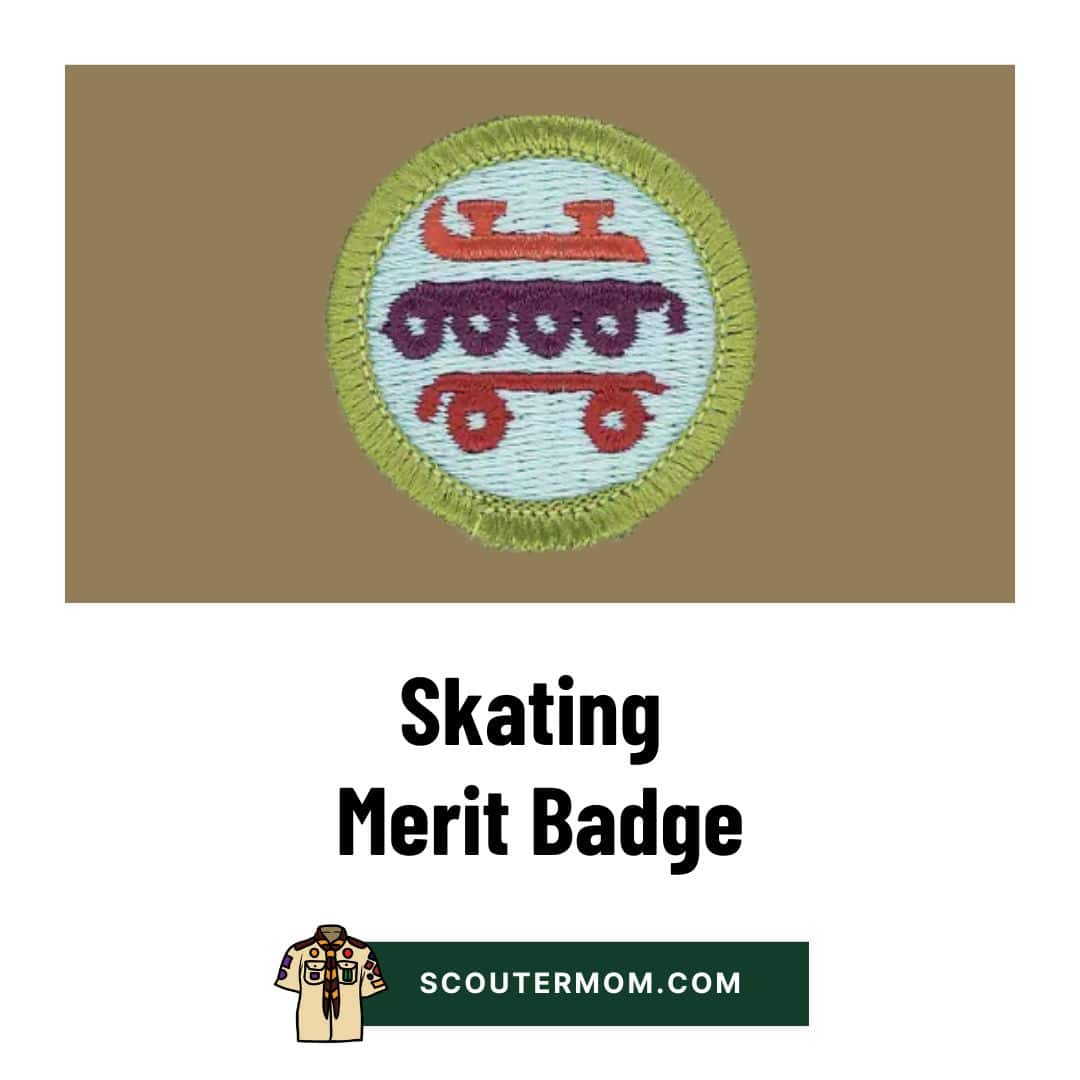
The Skating merit badge is a fun way for Scouts to learn about skating and skateboarding. Whether it’s on ice, wheels, inline skates, or a skateboard, this badge helps build balance, coordination, and confidence. Scouts get to explore exciting sports while staying active and having fun. It’s a great way to try something new or get better at something you already enjoy.
Working on the Skating merit badge teaches determination and focus. Learning new skating or skateboarding skills can take practice and patience. Scouts see how effort pays off as they improve. They also learn to set goals and take steps to achieve them, a skill they can use in many parts of life.
Safety is a key part of the Skating merit badge. Scouts learn about wearing the right gear, like helmets and pads, and following safe practices. These lessons help them skate or skateboard confidently in different places, like rinks, parks, or even sidewalks.
Earning the Skating merit badge is about more than just skating or skateboarding. Scouts gain physical skills, grow their confidence, and learn how to stay safe while enjoying exciting sports. It’s a rewarding experience that combines fitness, fun, and valuable life lessons.
The requirements for this merit badge were updated effective January 1, 2025.
Find specific helps for some of the Skating merit badge requirements listed below. Some of these resources will just give the answers. Others will provide engaging ways for older Scouts to introduce these concepts to new Scouts.
Do the following:
Safety is an important part of earning the Skating merit badge. Skating and skateboarding can be exciting, but they also come with risks. The most likely hazards include falls, collisions, and injuries from not using the right gear. It’s important to learn how to anticipate these dangers and take steps to prevent them.
To stay safe, always wear proper safety gear. Helmets are essential to protect your head, and pads for knees, elbows, and wrists can help reduce the chance of scrapes and bruises. Choosing a safe place to skate or skateboard is also important. Avoid areas with heavy traffic or obstacles that could cause you to fall. For skateboarding, stick to parks or spots designed for the activity.
Another part of the Skating merit badge is learning how to respond if an accident happens. Knowing basic first aid, like how to treat cuts or help someone who might be hurt, is a key skill. Being prepared means you can stay calm and help if something goes wrong.
By understanding the risks and learning how to prevent and respond to them, Scouts can skate or skateboard with confidence. The Skating merit badge helps you build these safety habits while enjoying the sport.
Knowing first aid is an important part of earning the Skating merit badge. Skating and skateboarding can lead to injuries if something goes wrong. Being prepared to handle common injuries helps you stay safe and take care of others if needed. Here’s an overview of first aid for possible injuries and illnesses related to skating:
The Skating merit badge teaches you how to handle these situations so you can skate and skateboard safely. Learning these skills builds confidence and helps you enjoy the activity while staying prepared.
Working under the supervision of an experienced adult, do ONE of the following options.
Either option 2A OR option 2B OR option 2C OR option 2D must be completed. Option 2A (below) focuses on ice skating.
Ice skating is a fun activity, but it’s important to follow safety and courtesy rules, especially when earning the Skating merit badge. Always be aware of your surroundings and respect others on the ice. Avoid sudden stops or fast skating near others to prevent collisions. Use the proper lane for your speed, and if you fall, get up quickly to avoid causing an accident. These habits make skating safer and more enjoyable for everyone.
If you’re skating outdoors on natural ice, extra preparation is needed. First, make sure the ice is thick enough to support skaters. Clear ice should be at least 4 inches thick, and you should test it in several places. Dress warmly in layers and wear waterproof gloves. Bring safety gear, like a throw rope and ice picks, in case of an emergency. Always skate with a buddy and avoid areas with cracks or thin ice.
Knowing how to make an ice rescue is another important part of the Skating merit badge. If someone falls through the ice, don’t go onto the ice yourself. Call for help immediately. Use a long stick, rope, or anything else you can safely extend to the person without stepping onto the weak ice. Pull them to safety and help them get warm and dry as quickly as possible.
By following these safety and courtesy rules and knowing how to handle emergencies, Scouts can enjoy ice skating while staying safe. The Skating merit badge helps you build these skills so you can skate responsibly and confidently.
When working on the Skating merit badge, it’s important to learn about the different types of ice skates and their parts. Each type of skate is designed for a specific activity, like figure skating, hockey, or speed skating. Understanding how the parts of the skates function helps you choose the right skates and use them effectively.
Figure skates have a toe pick at the front of the blade. This helps skaters perform jumps, spins, and other tricks. The blade is slightly curved, making it easier to turn and maneuver. Figure skates usually have stiff leather boots for strong ankle support, which is important for balance and control during routines.
Hockey skates are built for speed and quick movements. The blade is shorter and more curved than on figure skates, allowing for sharp turns. The boot is padded and durable to protect the foot from impacts, like being hit by a puck or another skater.
Speed skates are designed for straight-line speed. Their blades are long and flat, providing maximum contact with the ice. The boots are lightweight and low-cut to give skaters more ankle flexibility, but they don’t offer as much support as other types.
Learning about these skate types and their parts helps you understand the differences in how they perform. This knowledge is a key part of the Skating merit badge and will help you make informed choices about which skates are best for the activity you want to enjoy.
Taking care of your ice skates is an important part of earning the Skating merit badge. Proper handling and storage keep your skates in good condition so they last longer and perform well. Learning these skills helps you maintain your equipment and be prepared for skating whenever you want.
When carrying ice skates, hold them by the blades with a firm grip or use a skate guard to protect your hands and the blades. Many skaters use a skate bag to safely transport their skates and keep them from damaging other gear. Be sure to keep the blades covered to avoid dulling or scratching them.
For long-term storage, like during the off-season, it’s important to prepare your skates properly. First, clean the blades with a dry cloth to remove moisture and prevent rust. Then, store the skates in a dry place, away from direct sunlight and extreme temperatures. Use a soft cloth blade cover, not a plastic guard, because plastic can trap moisture. You can also loosen the laces slightly to reduce strain on the boots.
Taking these steps helps protect your skates and ensures they’re ready when you need them. The Skating merit badge teaches Scouts how to care for equipment, an essential skill for skating safely and effectively.
To earn the Skating merit badge, Scouts need to demonstrate several important ice skating skills. These moves show your ability to control your skates, maintain balance, and practice safety on the ice. Here’s what you need to do:
Scouts also need to explain the safety considerations for participating in an ice-skating race. Safety tips include checking the condition of the ice, wearing proper gear like helmets, and being aware of other skaters around you. Avoid pushing yourself too hard and always follow the race rules.
Practicing these moves and understanding the safety measures are essential parts of earning the Skating merit badge. These skills help Scouts build confidence, improve their skating abilities, and enjoy the activity responsibly.
Working under the supervision of an experienced adult, do ONE of the following options.
Either option 2A OR option 2B OR option 2C OR option 2D must be completed. Option 2B (below) focuses on roller skating.
Following safety and etiquette rules is an important part of roller skating and earning the Skating merit badge. These rules help keep you and others safe while making the experience enjoyable for everyone. Here are some general guidelines:
These safety and etiquette rules are key to skating responsibly. The Skating merit badge teaches Scouts how to practice these habits while enjoying roller skating. By following these guidelines, you can skate confidently and courteously in any setting.
Learning about the parts of a roller skate is an important step in earning the Skating merit badge. Knowing how each part works helps you skate more effectively and maintain your equipment. Roller skates are made up of several key components, each with a specific function.
The boot is the part of the skate that holds your foot. It provides support and comfort. Boots can be made from different materials, like leather or synthetic fabrics, and should fit snugly to give you control over your movements.
The plate is the base of the skate, connecting the boot to the rest of the skate. Attached to the plate are the trucks, which hold the axles and allow the wheels to turn and pivot. This is what makes it possible to steer while skating.
The wheels are one of the most important parts. They allow the skate to roll and come in different sizes and hardness levels. Softer wheels are better for outdoor skating, while harder wheels work well on indoor surfaces.
The bearings are small parts inside each wheel. They make the wheels spin smoothly and efficiently. Keeping the bearings clean and lubricated is essential for good performance.
The toe stop or brake is located at the front or back of the skate, depending on the design. This is used to slow down or stop safely. Learning how to use the brake is an important skill for any skater.
Understanding these parts and their functions is a key part of the Skating merit badge. It helps Scouts make informed decisions about their gear and maintain their skates for a better skating experience.
Proper roller skate care is important for maintaining your skates and improving your performance. Taking care of your skates is also a key part of earning the Skating merit badge. Here are five essential steps to keep your roller skates in great condition:
Following these steps helps keep your skates in good shape and ready for your next skating session. The Skating merit badge teaches Scouts the value of proper skate care, which leads to better performance and a longer lifespan for your gear.
To earn the Skating merit badge, Scouts must demonstrate control, balance, and skill through various roller skating maneuvers. These moves showcase your ability to skate confidently in different directions and patterns. Here are the required moves:
These skills test your ability to handle various skating movements and techniques. Practicing these moves will help Scouts feel confident and prepared as they work toward earning the Skating merit badge.
The Skating merit badge challenges Scouts to master advanced roller skating techniques that require balance, coordination, and practice. These activities are fun and test your ability to handle dynamic skating skills. Here’s how to approach each one:
Each of these activities helps build your skating skills while keeping the experience exciting and challenging. Practicing these techniques is a great way to prepare for the Skating merit badge and improve your overall skating ability. With focus and patience, you’ll master these moves and feel more confident on skates.
Working under the supervision of an experienced adult, do ONE of the following options.
Either option 2A OR option 2B OR option 2C OR option 2D must be completed. Option 2C (below) focuses on in-line skating.
Following safety rules and practicing good etiquette are key parts of in-line skating and earning the Skating merit badge. Skating safely and respectfully helps prevent accidents and makes the experience enjoyable for everyone.
Always wear safety gear, including a helmet, wrist guards, knee pads, and elbow pads. Proper gear protects you from falls and reduces the risk of serious injuries. Check your skates before skating to make sure the wheels and brakes are in good condition. Skating on damaged equipment can lead to accidents.
Skate in safe areas, like designated trails, parks, or rinks. Avoid busy roads or crowded spaces where collisions could happen. Always stay to the right and pass on the left, letting others know with a clear call like “On your left!” when overtaking them. This helps prevent surprises and keeps everyone safe.
Keep a steady pace that matches your skill level. Don’t weave between people or show off in ways that could create risks for others. Stay alert to your surroundings, including other skaters, pedestrians, and cyclists. Avoid distractions like headphones or phones while skating.
Practicing these safety and etiquette rules helps Scouts build responsible habits as they work toward earning the Skating merit badge. By skating with awareness and respect, you can enjoy this activity while keeping yourself and others safe.
Knowing the parts of an in-line skate and how they work is essential for earning the Skating merit badge. Each part of the skate plays a role in how it performs, making it important to understand the design and functions.
The boot is the part of the skate that holds your foot. It provides support and comfort, with a snug fit to help you maintain control. Many in-line skate boots have a hard outer shell for protection and a padded liner for cushioning.
The frame is attached to the bottom of the boot and holds the wheels. It’s usually made of lightweight materials like aluminum or composite plastic to give strength without adding too much weight. The frame also helps transfer your movements to the wheels for smooth skating.
The wheels are aligned in a single row (hence “in-line”) and are responsible for rolling motion. They come in different sizes and hardness levels. Larger wheels are faster, while smaller wheels offer better control. Softer wheels work well on outdoor surfaces, and harder wheels are best for indoor skating.
The bearings are located inside the wheels. They allow the wheels to spin smoothly and efficiently. Regular cleaning and lubrication of bearings help maintain performance.
The brake is usually located at the back of one skate, often the right one. It’s used to slow down or stop safely. Learning how to use the brake effectively is an important skill for any skater.
Understanding these parts helps Scouts make informed choices about their in-line skates and care for them properly. This knowledge is a key part of the Skating merit badge, helping you improve your skills and enjoy skating to the fullest.
Wearing the right safety equipment is essential for skating and a key part of earning the Skating merit badge. Safety gear helps prevent injuries and makes skating more enjoyable. Some equipment is required, while other items are recommended to provide extra protection.
The most important piece of safety equipment is a helmet. It protects your head in case of a fall and is required for both in-line skating and skateboarding. Look for a helmet that fits snugly and meets safety standards for your activity. A well-fitting helmet can prevent serious head injuries.
Wrist guards are another essential item, especially for in-line skating. They protect your wrists from scrapes and fractures if you fall forward or backward. Knee pads and elbow pads are also required to protect these joints from impact during falls. These pads cushion hard landings and reduce the chance of cuts and bruises.
For skating outdoors, it’s recommended to wear gloves to protect your hands from scrapes and cold weather. Reflective clothing or lights can help others see you, especially when skating in low-light conditions. Comfortable, well-fitted skates are also crucial to avoid blisters and improve your control.
Understanding and using this safety equipment is an important step in the Skating merit badge. Proper gear not only helps you stay safe but also gives you the confidence to practice and improve your skating skills.
Taking care of your skates is an important part of earning the Skating merit badge. Proper maintenance ensures your skates perform well and last a long time. Here are four essential steps to keep your skates in great shape:
These steps are easy to follow and help keep your skates in excellent condition. Learning how to care for your skates is a key part of the Skating merit badge and will make your skating experience safer and more enjoyable.
To earn the Skating merit badge, Scouts need to demonstrate control, balance, and skill through specific in-line skating moves. These exercises help develop proper technique and confidence. Here’s a breakdown of the moves and tips for practicing them:
These skills are a key part of the Skating merit badge and help Scouts develop their skating technique. Practicing each move step-by-step will build your skills and prepare you to skate with confidence and control.
The Skating merit badge includes skills that focus on safety, control, and handling challenges while skating. These activities help Scouts build confidence and learn to manage real-world situations on skates. Here’s how to approach and understand these requirements:
These skills teach Scouts how to handle challenges and obstacles while skating safely. The Skating merit badge encourages you to practice these techniques to be prepared for any situation, making skating a safer and more enjoyable experience.
Working under the supervision of an experienced adult, do ONE of the following options.
Either option 2A OR option 2B OR option 2C OR option 2D must be completed. Option 2D (below) focuses on skateboarding.
Skateboarding has an exciting history that shows how it developed from a simple pastime into a popular sport and culture. Understanding the history of skateboarding can help Scouts appreciate its roots as they work on the Skating merit badge.
Skateboarding began in the 1940s and 1950s when surfers in California wanted something to do when the waves were flat. They attached roller skate wheels to wooden planks, creating the first skateboards. These early boards were basic, but they allowed people to bring the thrill of surfing to the streets. This connection to surfing earned skateboarding the nickname “sidewalk surfing.”
By the 1960s, skateboarding gained popularity, and companies began designing better boards with smoother wheels made from clay or composite materials. Skateboarding contests also started during this time, bringing the sport into the spotlight. However, safety concerns caused its popularity to dip in the late 1960s.
In the 1970s, skateboarding saw a big comeback with the invention of polyurethane wheels, which were smoother, faster, and safer. Skateparks were built, and riders began exploring new tricks and styles. The introduction of the kicktail—a raised edge on the back of the skateboard—gave skaters more control and opened the door to advanced tricks.
By the 1980s and 1990s, skateboarding became a global phenomenon. Professional skaters, skate videos, and competitions helped the sport grow. Modern skateboards became lighter and more durable, designed for performing complex tricks and stunts. Today, skateboarding is even part of the Olympics, showing how far it has come.
Learning about skateboarding’s evolution is an important part of the Skating merit badge. It helps Scouts understand the sport’s rich history and how it continues to inspire creativity and innovation.
Skateboarding offers many benefits that go beyond just having fun. As Scouts work on the Skating merit badge, they’ll discover how skateboarding helps improve both physical and mental skills. It’s a great activity for staying active and building important life skills.
One of the biggest benefits of skateboarding is physical fitness. It’s an excellent way to exercise, working muscles in your legs, core, and arms. Pushing the board, performing tricks, and balancing all help improve strength and stamina.
Skateboarding also enhances balance and coordination. Staying upright on the board while moving requires focus and control. As you learn to maneuver and perform tricks, your ability to coordinate movements improves, which can help in other sports and activities.
Another benefit is perseverance. Skateboarding takes practice and patience. Falling and trying again teaches determination and builds resilience. It shows you how to stay motivated and work toward your goals, even when it’s challenging.
Skateboarding also encourages creativity. Skaters use their boards to express themselves by inventing new tricks, exploring new locations, or adding personal style to their movements. It’s a sport that celebrates individuality and imagination.
As part of the Skating merit badge, Scouts learn to appreciate these benefits while developing their own skills. Skateboarding is more than just a sport—it’s a way to stay active, challenge yourself, and express creativity in a unique and rewarding way.
Safety gear is essential for skateboarding and plays a big role in earning the Skating merit badge. It helps prevent injuries and gives skaters the confidence to practice and improve their skills. Wearing proper protective equipment is one of the most important ways to stay safe while enjoying the sport.
A helmet is the most important piece of safety gear. It protects your head from serious injuries in case of a fall or collision. Look for a helmet designed for skateboarding, with a snug fit and proper certification. Always fasten the straps securely so it stays in place.
Knee pads and elbow pads are also important. They cushion impacts during falls, reducing the risk of bruises, scrapes, or more serious injuries. Pads are especially helpful when learning new tricks or skating in challenging areas.
Wrist guards protect your wrists if you fall forward and instinctively put your hands out to catch yourself. They help prevent sprains and fractures, which are common in skateboarding.
Wearing safety gear allows skaters to focus on improving their technique without worrying about injuries. The Skating merit badge emphasizes the importance of these items, teaching Scouts to take responsibility for their safety. Proper gear not only protects you but also sets a good example for others in the skateboarding community.
Following the rules and regulations of a skatepark is important for safety and enjoyment. As Scouts work on the Skating merit badge, learning about these rules helps them skate responsibly and show respect for others in the park.
Most skateparks have posted rules, and it’s important to read them before you start skating. Common rules include wearing safety gear like helmets, knee pads, and elbow pads. These items are often required to reduce the risk of injuries.
Skateparks usually have designated areas for different skill levels. Beginners should stay in sections designed for them, while advanced skaters use features like ramps and bowls. This separation keeps everyone safe and prevents collisions.
Another key rule is taking turns. Skateparks can get busy, so be aware of others and wait for your turn to use a feature. Avoid cutting in front of someone or lingering on obstacles when others are waiting. Communication and courtesy go a long way in making the park enjoyable for everyone.
Respecting the park itself is also important. Don’t litter or damage the equipment, and avoid behaviors that could harm the park or other users. Many parks have specific guidelines about noise, speed, or tricks, so follow those rules to keep the environment positive.
Understanding these rules is a key part of the Skating merit badge. Following them helps Scouts skate safely, respect others, and enjoy the skatepark to the fullest.
Skateparks are divided into different zones, each designed for specific types of skating. As Scouts work on the Skating merit badge, understanding these zones helps them navigate the park safely and choose areas that match their skills and interests.
The street zone is designed to mimic urban environments. It includes features like rails, stairs, ledges, and benches. Skaters in this zone practice tricks that replicate movements used in real street skating. This zone is great for creativity and technical skills, but it requires good control to navigate obstacles safely.
The bowl zone consists of smooth, curved areas that look like empty swimming pools. Bowls are used for flowing movements and tricks that involve riding up and down the curved walls. This zone is popular with skaters who enjoy speed and fluid motion, but it’s important to watch out for others and take turns to avoid collisions.
The ramp zone features ramps, halfpipes, and quarterpipes. These structures allow skaters to gain momentum and perform aerial tricks. Ramp zones are great for developing advanced skills and confidence but should be approached with caution, especially for beginners.
Knowing the purpose of each skatepark zone is an important part of the Skating merit badge. It helps Scouts choose the right areas to practice, develop their skills, and enjoy skating while staying safe and respectful of others.
Practicing right-of-way and showing respect for others are important skills for skateboarding and are key parts of earning the Skating merit badge. These habits create a safe and positive environment for everyone at skateparks and other skating areas.
In a skatepark, the person currently using a feature has the right-of-way. Whether someone is skating on a ramp, in a bowl, or grinding on a rail, wait for them to finish their run before taking your turn. Jumping in too soon can cause accidents and disrupt their flow. Be patient and aware of your surroundings to avoid collisions.
Communicating with others is also important. If you’re about to use a feature, make eye contact or give a clear signal to let others know. If someone is about to start their run, step aside and give them space. Respecting others’ time on the features helps everyone enjoy the park.
Outside the skatepark, respect for pedestrians and other skaters is essential. When passing someone on a sidewalk or shared path, announce your presence by saying something like, “On your left!” Keep your speed under control, especially in crowded areas, and always prioritize safety over speed or tricks.
Understanding right-of-way and practicing respect for others is an important part of the Skating merit badge. These habits make skateboarding more enjoyable and ensure a safer environment for everyone involved.
Clear communication is an important skill for skateboarding and is a key part of earning the Skating merit badge. Using signals and warnings helps prevent accidents and ensures everyone knows what to expect, whether at a skatepark or on shared paths.
At a skatepark, skaters often use nonverbal signals to indicate their intentions. For example, making eye contact with another skater can show that you’re about to take your turn on a feature. A quick nod or point toward a ramp or bowl lets others know you’re entering. These simple gestures keep the flow organized and avoid confusion.
Verbal warnings are also useful, especially in busy areas. If you’re approaching someone from behind, say something like “On your left!” or “Coming through!” to let them know where you are. If you’re dropping into a bowl or starting a run, a quick shout of “Dropping in!” can warn others to clear the area.
In shared spaces like sidewalks or trails, communication is even more important. Always let pedestrians or other skaters know when you’re passing or changing direction. Use a calm tone and keep your speed under control to avoid startling others.
Learning and using these communication techniques is a valuable part of the Skating merit badge. They help Scouts skate safely and respectfully while contributing to a positive experience for everyone.
Knowing the parts of a skateboard and how they fit together is essential for earning the Skating merit badge. Each component plays a specific role in how the board performs, and assembling a skateboard yourself is a great way to understand its mechanics.
A skateboard is made up of several key parts:
To assemble a skateboard:
Building a skateboard teaches Scouts how the parts work together and gives them a sense of accomplishment. Understanding skateboard anatomy and assembly is a hands-on way to master skills required for the Skating merit badge and helps you maintain and customize your board for the best experience.
Skateboard maintenance is an important skill for earning the Skating merit badge. Regular care helps your skateboard perform well and last longer. It also ensures you can skate safely and confidently. Here are some key aspects of skateboard maintenance:
Cleaning: Dirt and debris can build up on your skateboard, especially in the bearings and wheels. Use a damp cloth to wipe down the deck and wheels. To clean the bearings, remove them from the wheels and soak them in a bearing cleaner. Once dry, apply a small amount of lubricant before reassembling. Keeping your skateboard clean reduces wear and improves performance.
Tightening bolts: Over time, bolts on the trucks and deck can loosen from regular use. Check the hardware frequently and tighten any loose screws with a skate tool or wrench. Be careful not to overtighten, as this can crack the deck or damage the trucks.
Replacing parts: Parts like wheels, grip tape, and bearings wear out and need replacement. If the wheels are worn unevenly or the bearings are noisy, it’s time to replace them. Grip tape that’s peeling or losing its texture should also be replaced to maintain good traction. Replacing these parts is simple with basic tools and keeps your skateboard performing well.
Learning how to care for your skateboard is an essential part of the Skating merit badge. Regular maintenance not only keeps your board in good condition but also ensures a safer and smoother ride every time you skate.
As part of the Skating merit badge, Scouts must demonstrate various skateboarding skills to improve their technique and confidence. These skills include foundational moves, flatland tricks, and advanced techniques. Here’s a breakdown of the required skills and tips for mastering them:
These skateboarding skills are fundamental for success in the Skating merit badge. By practicing regularly and focusing on control and safety, Scouts can master these moves and build their confidence on the board.
The National Outdoor Badge for Riding is a great opportunity for Scouts who love activities like biking, horseback riding, motor boating, or skating. It encourages Scouts BSA, Venturers, and Sea Scouts to explore different forms of riding and rack up miles doing what they enjoy most. Skating is one of the options, and the Skating merit badge can help Scouts get started on this path while developing skills and confidence.
This badge is perfect for older Scouts looking for a challenge. With a focus on outdoor fun, it motivates youth to try new adventures and push their limits. Earning the Skating merit badge and logging miles in riding activities can inspire Scouts to stay active and engaged in their programs. Additional gold and silver devices add recognition for those who go the extra mile—literally!

The Winter Camping Troop Program Feature helps Scouts prepare for safe and fun adventures in cold weather. With activities like building snow shelters, learning about staying warm, and preparing high-calorie foods, Scouts develop skills to handle winter conditions confidently.
Troop meetings can include games like the Frozen Kitchen Taste Test or learning essentials such as wick, wind, and warmth. These lessons not only prepare Scouts for winter camping but also complement other outdoor skills, like those learned in the Skating merit badge.
The program includes exciting challenges for all levels, from practicing snow shelter construction to spending a night in an igloo. Scouts learn about advanced topics like avalanches or ice rescue techniques to deepen their knowledge of winter safety. These skills connect well with the Skating merit badge, as both focus on outdoor preparedness and safety in colder environments, making the winter camping feature a great addition to a well-rounded program.

Merit badges let Scouts explore many topics, from outdoor adventure to science, trades, and hobbies. With over 100 merit badges available, there is something for everyone. Scouts can earn badges like the Skating merit badge to develop skills and learn more about activities they enjoy. Badges also teach practical skills and give Scouts a chance to try new things at their own pace.
Scouts can work on merit badges like the Skating merit badge anytime, no matter their rank. Each badge offers a way to explore interests, learn life skills, or even prepare for future careers. Whether it’s outdoor skills, technology, or creative hobbies, merit badges open doors to new experiences and growth. Talk to your Scoutmaster to learn more and start your next adventure!

Scouts BSA is a program for youth aged 11 to 17 that helps them grow into confident and responsible individuals. Through activities like camping, hiking, and earning merit badges, Scouts learn life skills and leadership.
The Skating merit badge is one of over 100 options that let Scouts explore their interests and try new challenges. It’s a great way to build confidence and learn skills while having fun.
The program focuses on teamwork and personal growth through outdoor adventures, service, and leadership opportunities. Scouts work together in patrols to plan activities and make decisions. Earning merit badges, like the Skating merit badge, helps them develop practical skills and explore hobbies or future careers. Scouts BSA encourages young people to reach their full potential while preparing for life’s challenges.
What types of skating are included in the Skating merit badge?
The Skating merit badge includes ice skating, roller skating, in-line skating, and skateboarding. Scouts can choose the type they prefer to focus on.
Do I need my own skates or skateboard to earn the Skating merit badge?
It’s helpful to have your own equipment, but you may also borrow or rent skates or a skateboard. Make sure the equipment fits properly and is in good condition.
What safety gear is required for the Skating merit badge?
Safety gear includes a helmet, wrist guards, knee pads, and elbow pads. These are required to keep you safe while practicing and completing the requirements.
Do I need to be an expert skater to earn the Skating merit badge?
No, you don’t need to be an expert. The Skating merit badge is designed to help you learn and improve basic skills while staying safe and having fun.
Can I choose more than one type of skating for the Skating merit badge?
Yes, you can try different types of skating, but you need to complete all of the requirements for one type to earn the badge.
What are some of the skills I will learn for the Skating merit badge?
You’ll learn how to skate forward, turn, stop safely, and perform tricks or maneuvers. You’ll also learn about skate maintenance and safety.
How can I prepare for the Skating merit badge?
Practice your chosen type of skating regularly. Make sure you know the safety rules, use the right gear, and review the requirements with your counselor.
Can I work on the Skating merit badge indoors or outdoors?
Yes, you can work on the Skating merit badge in either setting, depending on the type of skating you choose and the facilities available.
The Skating merit badge gives Scouts the chance to explore exciting sports like ice skating, roller skating, or skateboarding. It’s a hands-on badge where you’ll build skills, learn safety, and practice balance and coordination. Whether you’re gliding on ice, rolling on wheels, or shredding at the skatepark, this badge offers fun and challenges for all skill levels.
Safety is a big part of the Skating merit badge. You’ll learn about protective gear like helmets, knee pads, and wrist guards. Understanding and using safety equipment is key to staying safe while skating. These lessons will help you enjoy the activity without worrying about injuries.
The Skating merit badge also teaches you about skate maintenance. You’ll learn how to clean wheels, tighten bolts, and replace worn-out parts. Taking care of your skates or skateboard is important for safety and performance. This skill will help you keep your equipment in great shape.
From learning new moves to building confidence, the Skating merit badge is all about trying new things and having fun. It’s a great way to develop strength, coordination, and perseverance while enjoying the thrill of skating.
JL VETERAN 37 MALANG